

A little local perspective
Worth knowing.
Worth going.
- Destination
- Lech and the Arlberg, Austria
- The selection
- 6 hotels
- Your kind of trip
- skiing · families · food · special occasion
$$$ to $$$$ — roughly 500-2,000 euros a night, peaking at Christmas and February
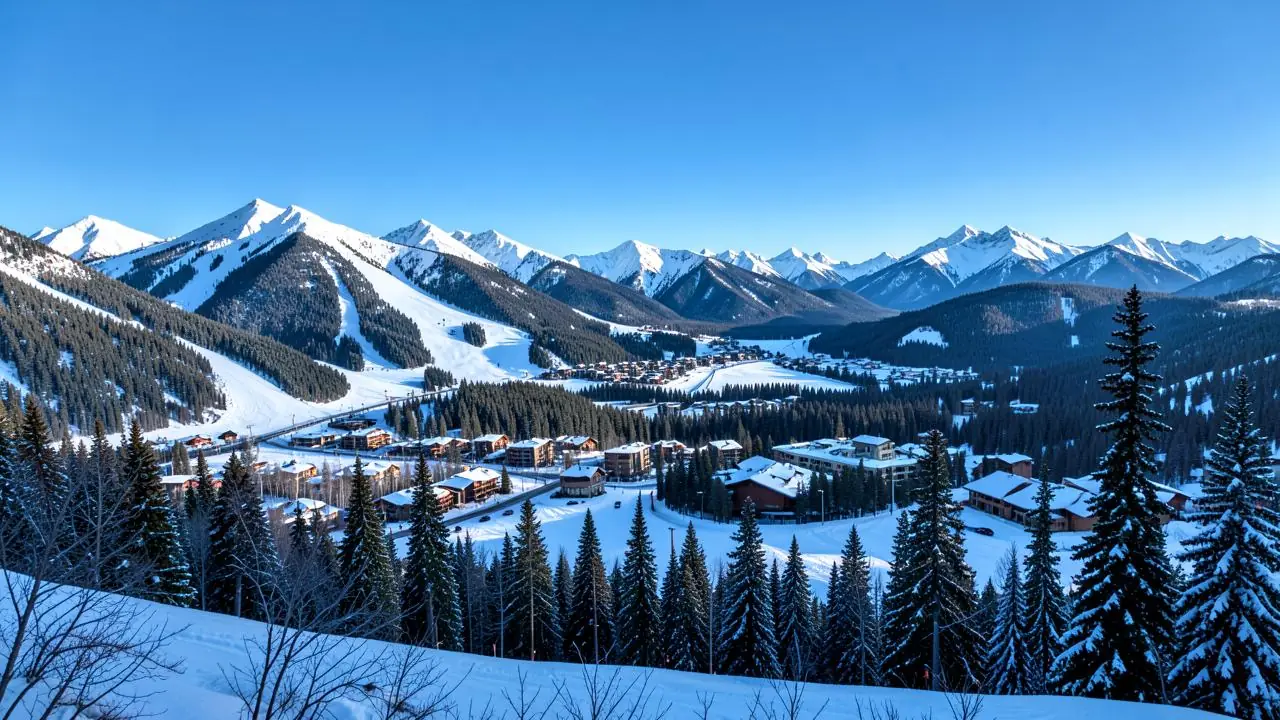
The Arlberg is the pass between Vorarlberg and Tyrol, and the mountains around it catch weather coming off the Atlantic and drop it as snow. The region averages something in the region of seven to eleven metres a season depending on altitude, which is among the highest in the Alps and considerably more than the French and Swiss resorts at similar elevations.
Lech sits at 1,450 metres, Zürs at 1,720 and St Christoph at 1,800. Those numbers matter in a warming Alps, where lower resorts increasingly open on artificial snow into January.
The thing that separates Lech from everywhere else
Lech caps the number of skiers on its mountain. The village limits daily lift access, which means that on a Saturday in February the slopes above Lech are demonstrably emptier than those above comparable resorts, and the lift queues are short by Alpine standards.
That policy, along with the altitude and the snowfall, is why the Arlberg holds its reputation among people who ski a lot rather than once a year.
The other structural fact: Lech, Zürs, St Anton and St Christoph are all connected on one lift system, the largest in Austria, but they are different villages with different characters.
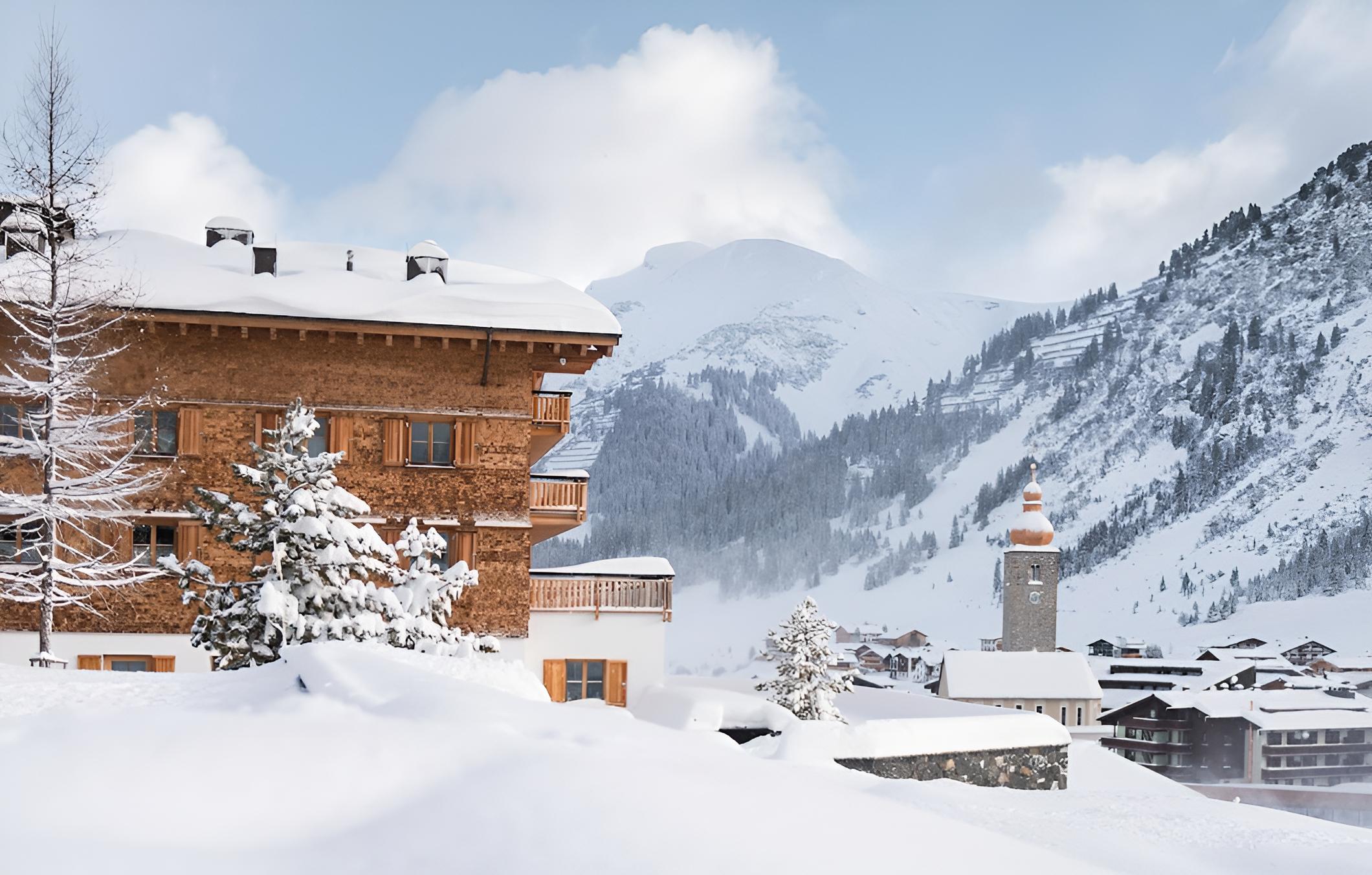
Lech is the wealthy, quiet one: a valley village of chalets and family hotels, several of them run by the same families for generations.
Zürs is smaller and higher, essentially a hamlet of hotels above the treeline.
St Anton on the Tyrolean side is the loud one, with the serious off-piste terrain and the après-ski that made it famous.
St Christoph, at the top of the pass, is a handful of buildings and nothing else.
The eight below are grouped that way.
Lech and Oberlech
The valley village. Chalet architecture, family ownership and the skier cap.
Almhof Schneider has been run by the same family since the 1920s and is the most quietly admired hotel in the Alps: understated wood interiors, a serious kitchen and a ski room that opens onto the piste. It does not advertise and it does not need to.
Gasthof Post Lech occupies a position in the village centre as a Relais and Chateaux property with a 1937 building, a spa and one of the best restaurants in Austrian skiing.
Hotel Aurelio Lech sits by the Rüfikopf lift with a large spa, a fireplace lounge and a design that is contemporary rather than traditional.
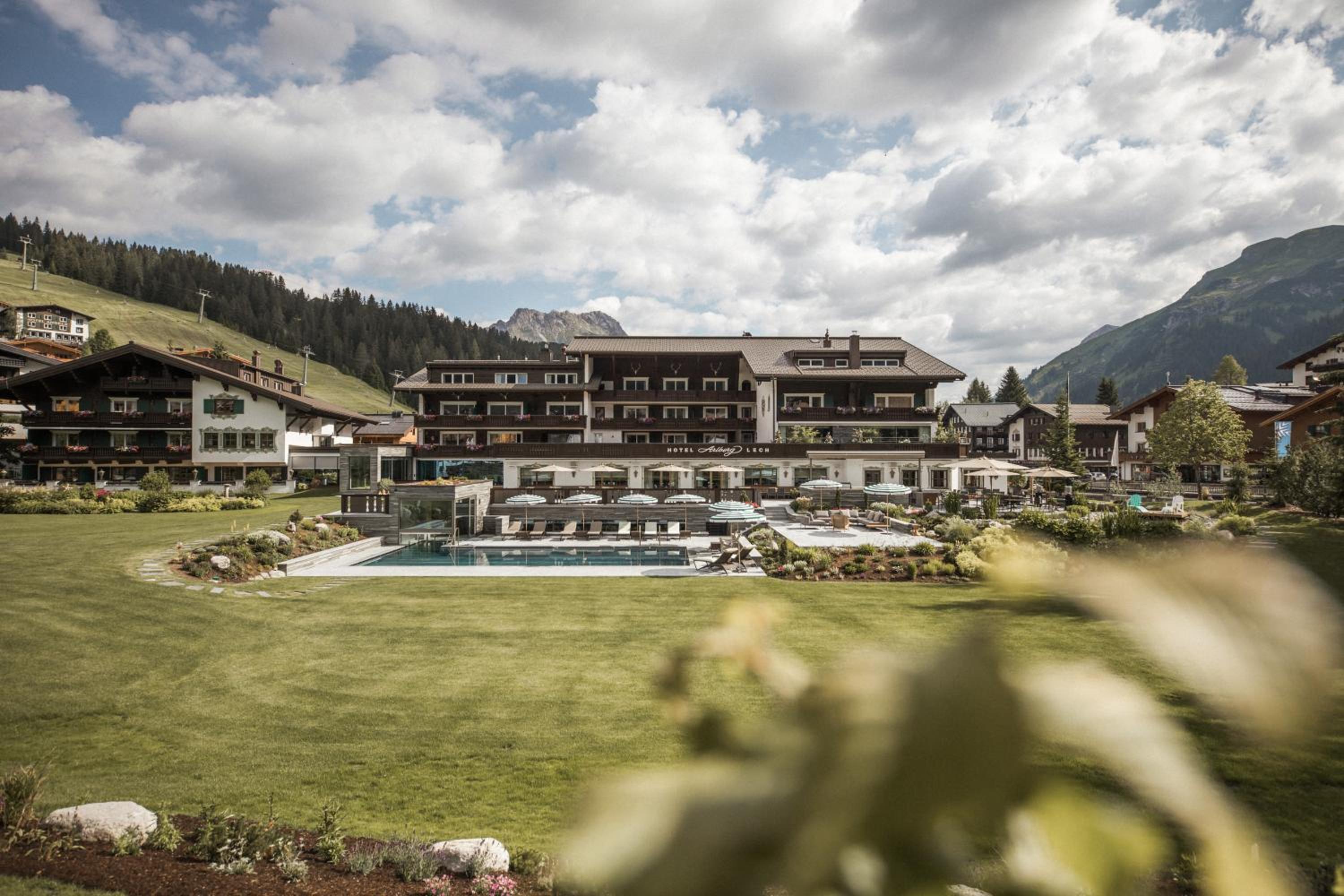
Hotel Arlberg Lech occupies a family-run building beside the river with a spa and a kitchen that holds a strong local reputation.
Hotel Kristiania Lech sits on the slope above the village with direct piste access from the door and views down the valley.
Zürs
Higher, smaller, above the treeline and closer to the snow.
Thurnher's Alpenhof occupies a chalet in the hamlet with a spa, a very good cellar and ski-in access from the door. Zürs is essentially a collection of hotels and this is the best of them.
St Christoph and St Anton
The Tyrolean side. Serious terrain, and the loudest après in the Alps.
Arlberg Hospiz Hotel sits at the top of the pass at 1,800 metres in a building whose origins as a shelter for travellers date to the fourteenth century, with an enormous wine cellar and ski-in ski-out access at the highest lodging on the Arlberg.
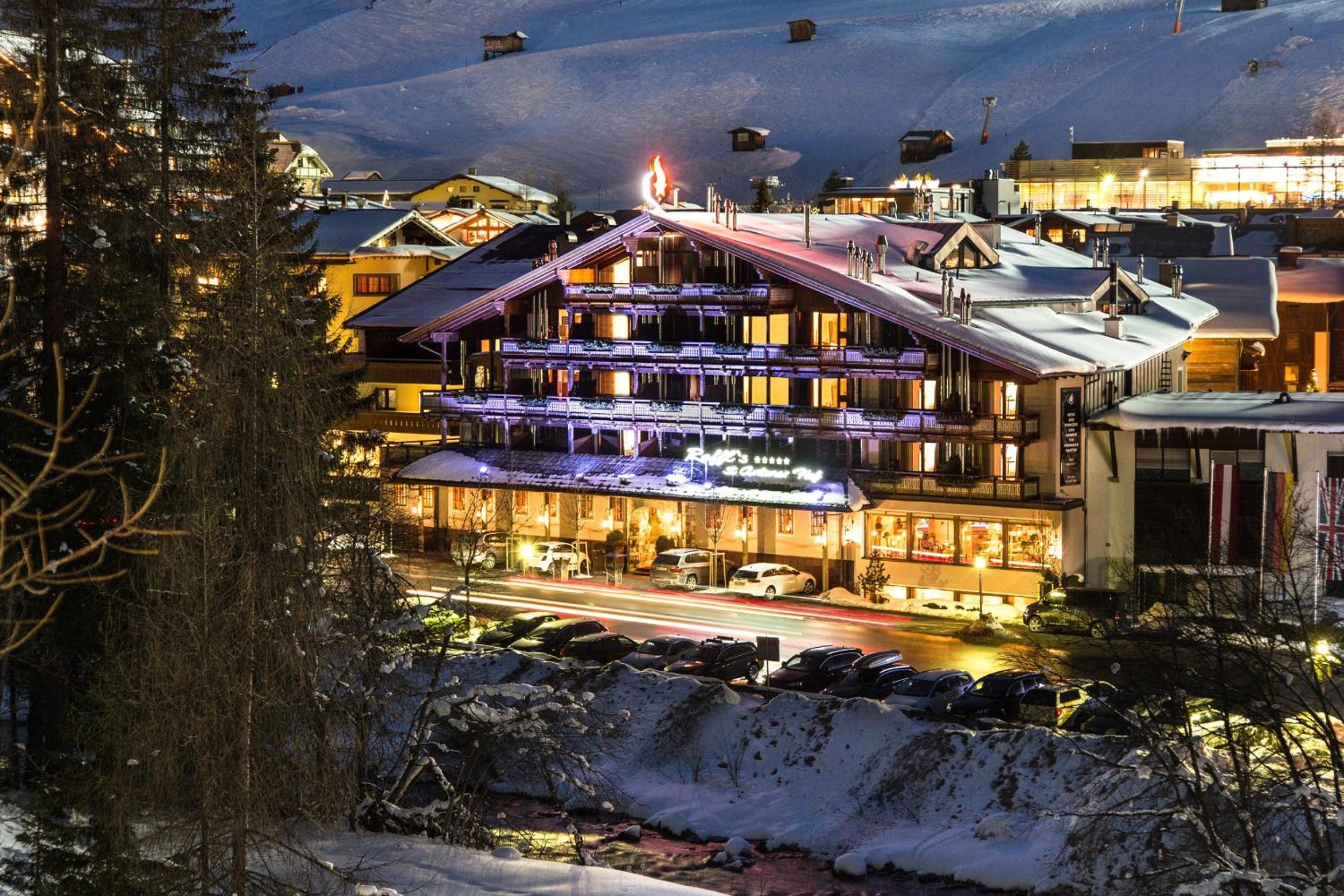
Raffl's St. Antoner Hof occupies a position in St Anton village near the Galzig lift with a spa, a good restaurant and a family operation going back generations.
What we have left off
The apartments and pensions across St Anton are excluded, and they are how a large share of the skiing population stays on the Arlberg. They are apartments and guest houses rather than hotels.
What to do
Ski the Run of Fame, which links the Arlberg resorts across about 65 kilometres of piste and 18,000 vertical metres in a day if you are fit.
Take a guide for the off-piste. St Anton's terrain is serious and the avalanche risk is real; the ski schools here are among the best in the Alps.
Eat on the mountain. Austrian hut food is a proper meal rather than a sandwich, and lunch at a Lech hut with a long table and a view is the point of the day.
In summer the Arlberg is a hiking region at a fraction of the winter rate, with the lifts running to high trails.
Practical notes
Zurich is two and a half hours by road and Innsbruck about an hour and a half; Munich is three. Trains run to Langen am Arlberg and St Anton, and Lech is a short transfer from there.
The season runs early December to late April, which the altitude supports better than most. Christmas, New Year and February half-term are the peaks. Mid-January is the quietest and often the best snow.
Lech's road can close briefly in heavy weather; the resort is used to it.
Explore 4 & 5 Star Lech and the Arlberg Hotels
Prices shown are sample rates from upcoming dates — not quotes for specific dates. Open a hotel and choose your own dates and guests to see the exact price.
Questions people actually ask
Why is the snow better here?
Atlantic weather hits these mountains directly and the villages sit high. The Arlberg's seasonal totals are among the highest in the Alps.
What is the skier cap?
Lech limits daily access to its mountain, which keeps the slopes and the lift queues noticeably quieter than comparable resorts.
Lech or St Anton?
Lech for quiet, families and comfort. St Anton for terrain, off-piste and nightlife. They are on the same lift pass.
How many nights?
Seven. Ski weeks are built around it.