Outer motu
Four Seasons Resort Bora Bora
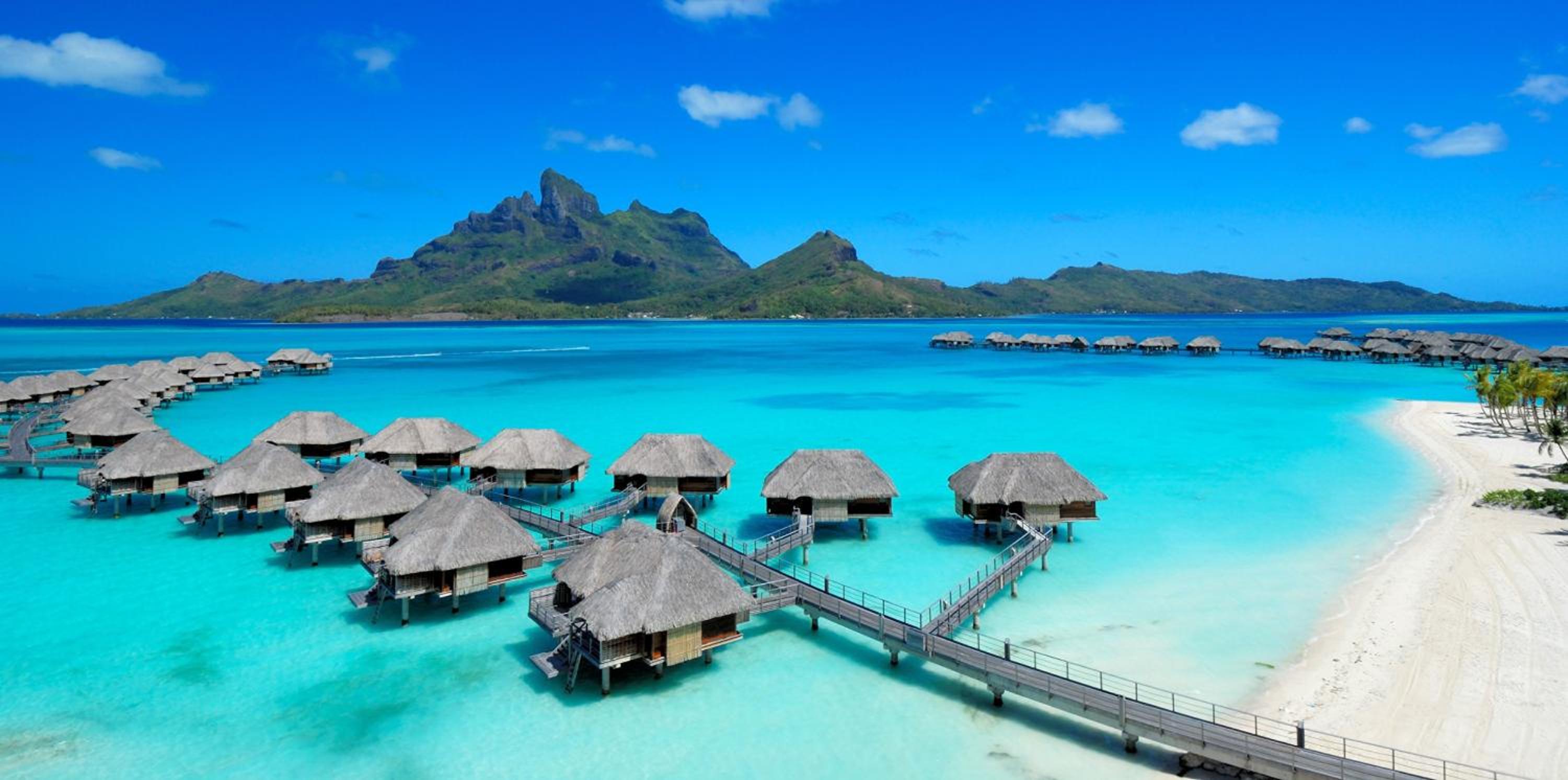
Otemanu framed dead centre; real interior lagoon
Explore Hotel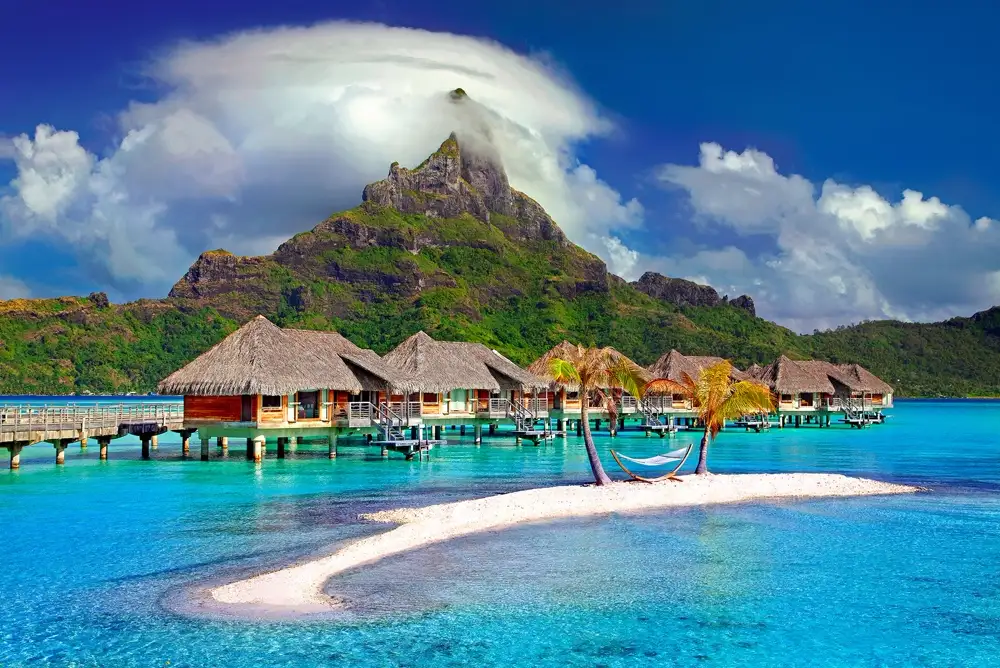

Bora Bora, French Polynesia
The thatched roof is available in a dozen countries. The barrier reef is not. Six resorts sorted by what is actually under your deck.
The places to stay
Outer motu
Otemanu framed dead centre; real interior lagoon
Explore Hotel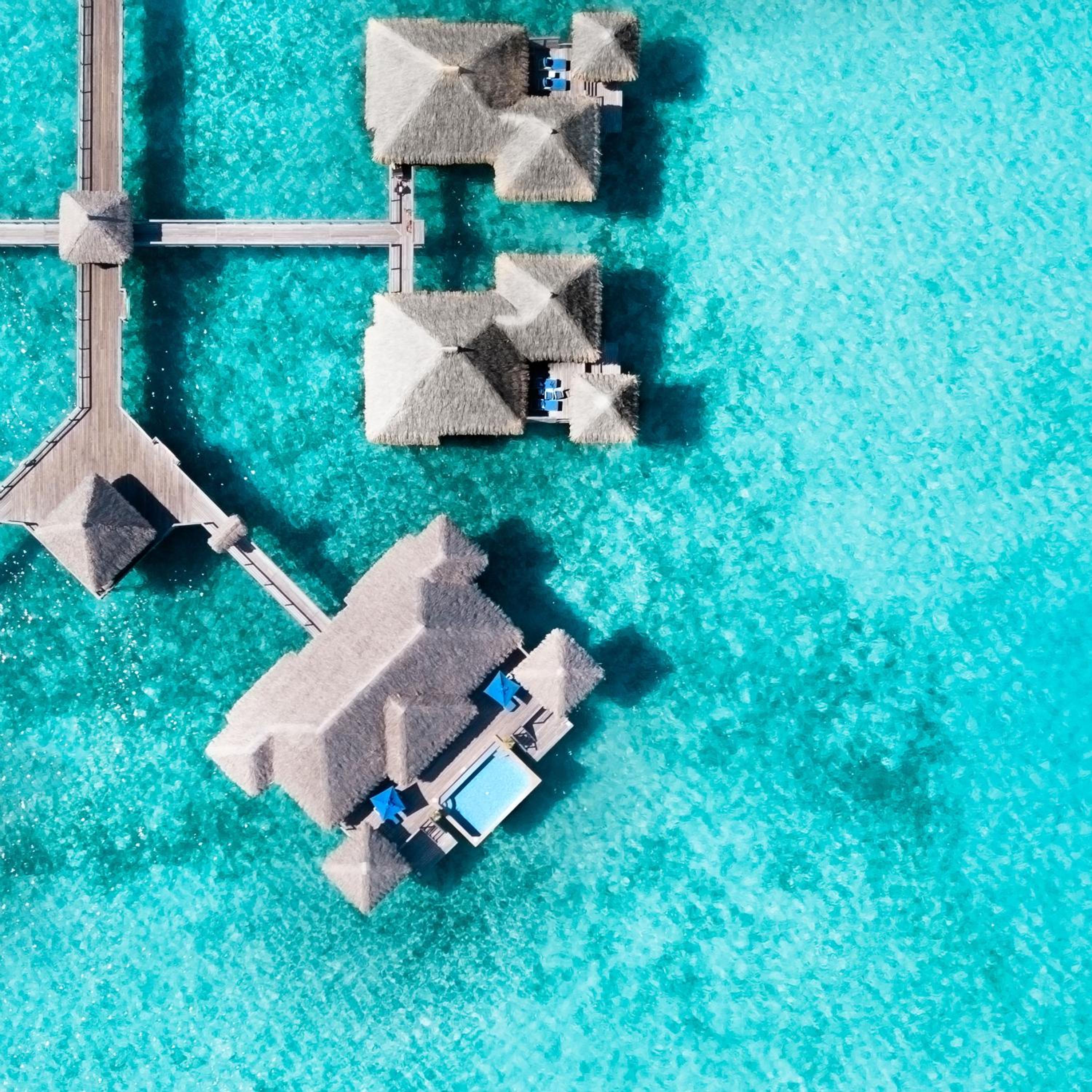
Outer motu
Largest villas and a protected snorkelling lagoonarium
Explore Hotel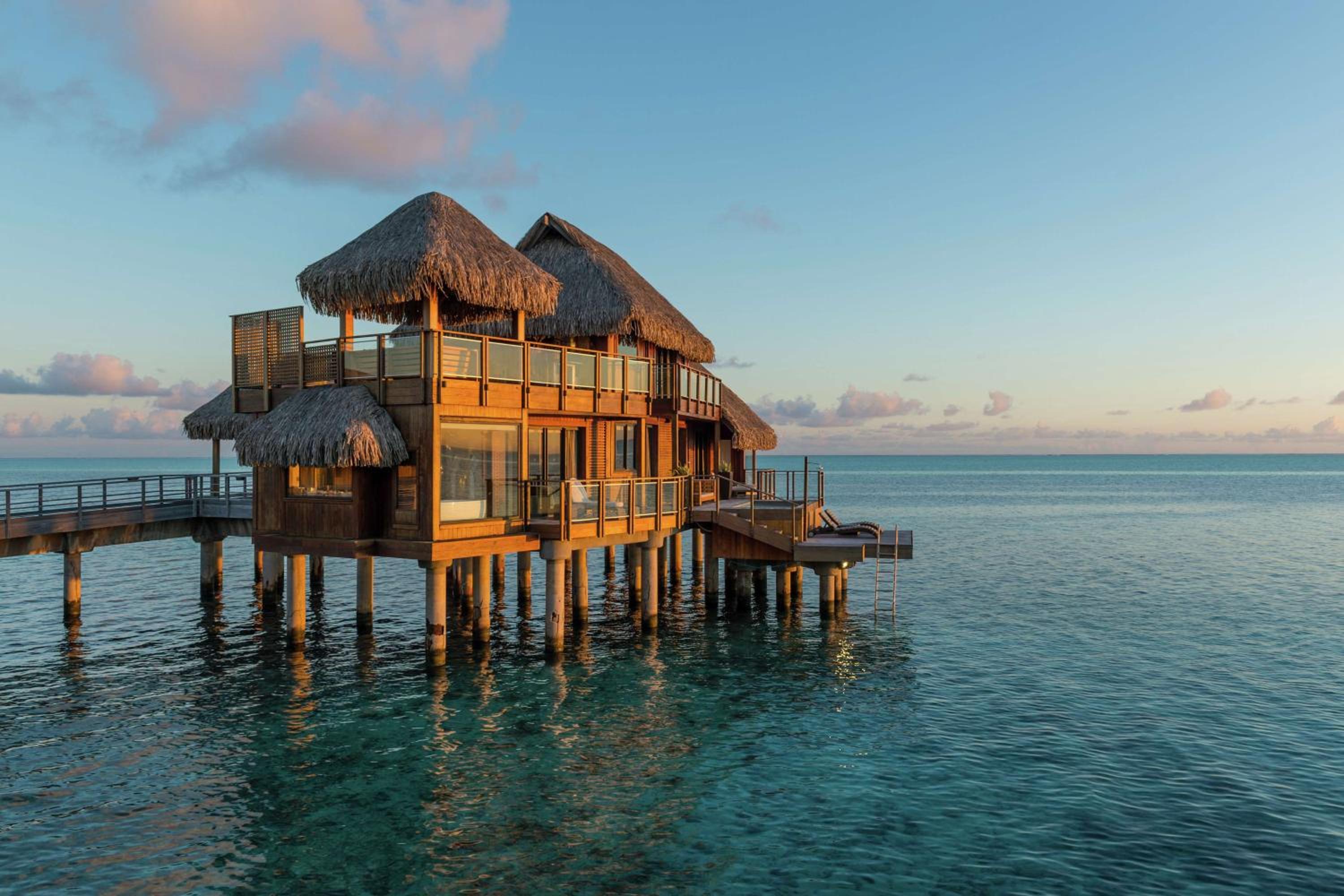
Motu Piti Aau
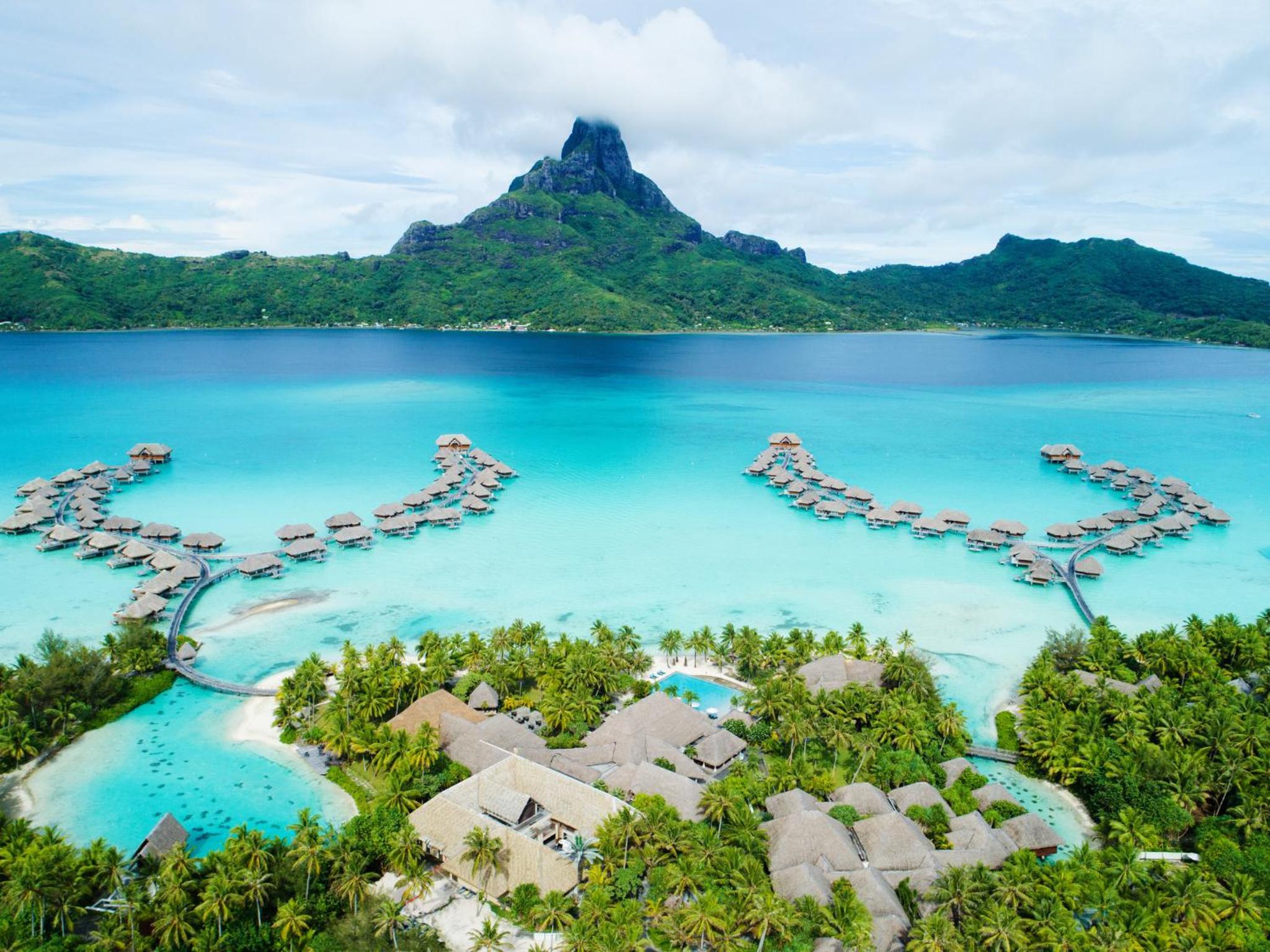
Deepest water under the overwater rows
Explore Hotel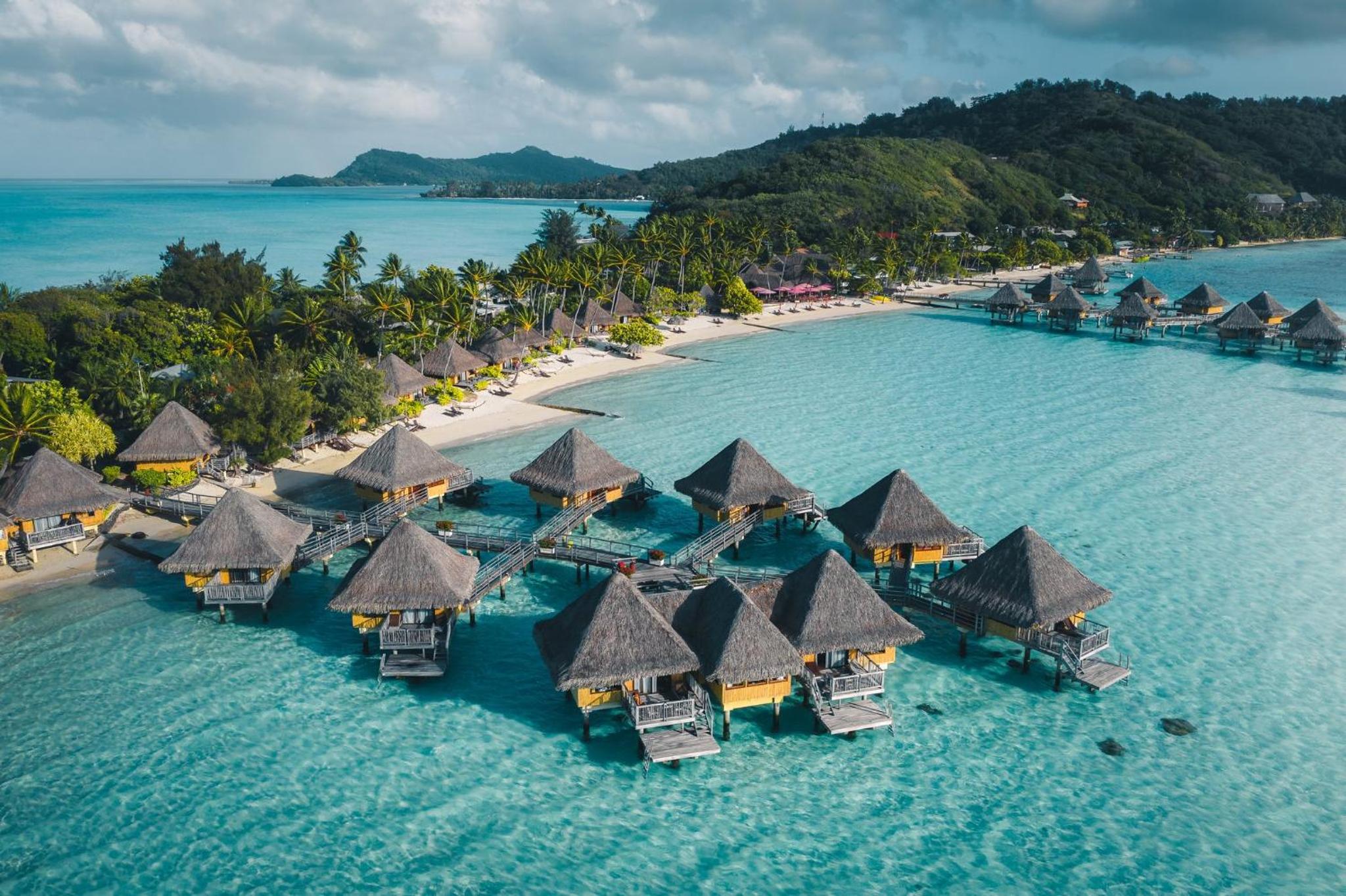
Matira Point, main island
On Matira Point, the island's best beach
Explore Hotel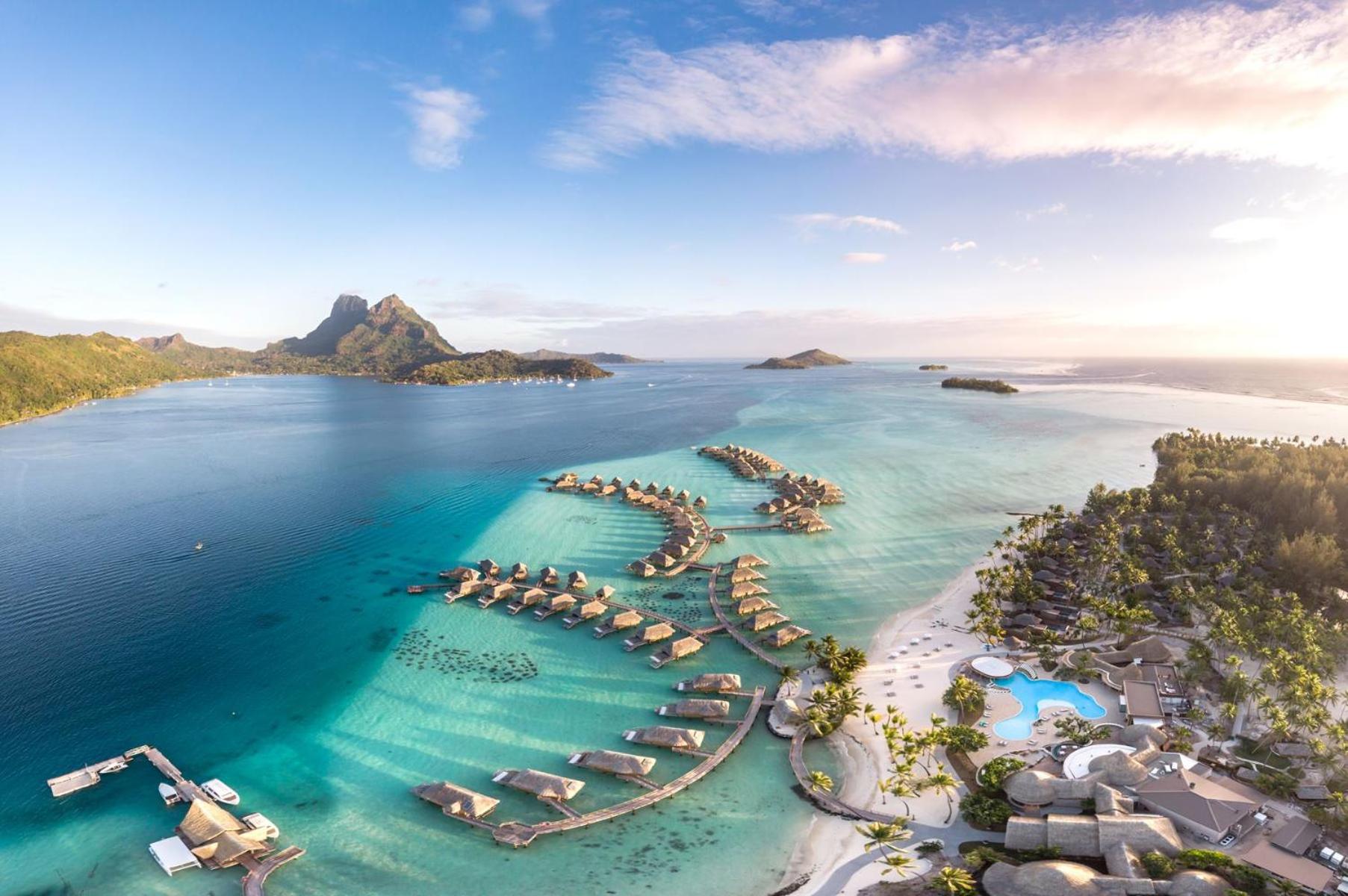
Motu Tevairoa
Short transfer, strong Otemanu view, best value
Explore HotelBy Happi · Last updated September 2026
A little local perspective
$$$$ — roughly $900-2,500 a night, peaking in August
Bora Bora sells one photograph so relentlessly that it is easy to arrive without knowing what you actually came for. It is not the thatched roof. Thatch is available in a dozen countries for a third of the price. What Bora Bora has, and almost nowhere else does, is a continuous barrier reef that rings the entire island and turns the water inside it into a flat, protected, clear-bottomed basin while the open Pacific breaks a kilometre offshore.
That single fact should decide your booking. It means the ladder off your deck leads into water you will genuinely swim in, several times a day, without a boat. Get that wrong and you have paid five figures for a photograph.
The lagoon is not uniform. Depth, clarity and current change substantially depending on which motu, or reef islet, you are sitting on and which way your bungalow faces. Some overwater rows sit above pale sand flats that look extraordinary from a drone and are too shallow to swim properly. Others sit over turtle grass, which is darker, less photogenic and considerably more alive.
The second variable is Mount Otemanu. The volcanic peak sits on the main island, which means the mountain view belongs to the resorts on the outer motus looking back inland. Stay on the main island and you get the village, the road and the people, but the mountain is behind you rather than in front.
Those two variables, water underneath and mountain in front, sort the entire island. The six hotels below are grouped by which side of that trade they fall on.
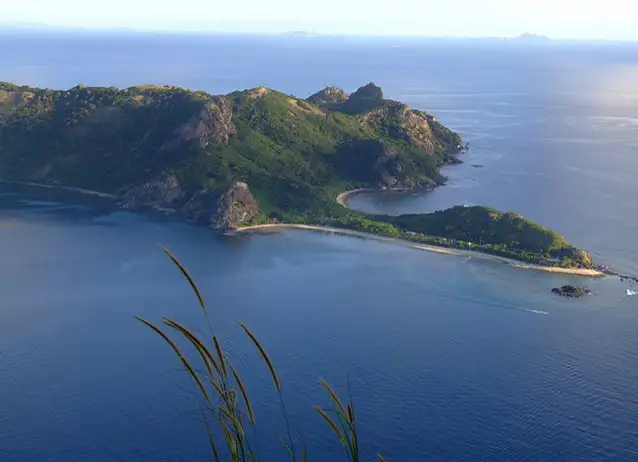
These resorts sit on reef islets across the lagoon from the main island. You gain the Otemanu sightline and deeper swimmable water. You give up walking anywhere: transfers run by boat on a schedule, and there is no strolling into the village for dinner.
Four Seasons Resort Bora Bora occupies a private motu with the mountain framed almost dead centre from the overwater rows, which is the cleanest sightline on the island. It is also the only property here built around a genuine interior lagoon, a shallow enclosed cut where the reef fish gather and where children can snorkel without anyone worrying. Ask for the bungalows on the western arm and above the mid-numbers, which face the mountain squarely rather than obliquely. The trade is scale: this is a large resort by Bora Bora standards, and at full occupancy the main pool feels it.
The St. Regis Bora Bora Resort has the largest overwater villas on the lagoon and a protected snorkelling enclosure stocked with reef species, which is either the best amenity in French Polynesia or a slightly artificial version of what is already outside, depending on your temperament. The property sprawls across its own motu with real distance between villas, so privacy is unusually good. Request the Otemanu-facing rows rather than the reef-facing ones, which look out at open water and lose the mountain entirely. It is the most expensive address on the island and not automatically the best one.
Conrad Bora Bora Nui sits at the southern end of the lagoon and is the only resort with beaches facing both sunrise and sunset, which sounds like marketing until you spend a day using both. The hilltop spa reached by funicular gives a view over the whole lagoon that no beach-level property can match. Rooms are the most contemporary in Bora Bora, closer to a design hotel than a thatched fantasy. The distance from Vaitape is the longest of any resort here, so factor a longer boat transfer at both ends.
InterContinental Bora Bora Resort & Thalasso Spa sits on Motu Piti Aau with the deepest water under its overwater rows, which is the specific thing to know: you can drop off the deck ladder into water that is properly swimmable rather than wading depth. It also runs a thalassotherapy spa using cold deep-sea water drawn from below the reef, which is genuinely unusual and not a treatment you will find elsewhere in the South Pacific. Rooms are showing their age relative to the newer competition, and the design is more traditional than current.
Staying on the main island is the less obvious choice and the better one for some trips. You can walk to a shop, eat at a roulotte, hire a car and drive the thirty-two kilometre ring road in an afternoon. You lose the mountain view, because you are standing on it.
InterContinental Bora Bora Le Moana Resort sits directly on Matira Point, which is the best public beach in French Polynesia and the only stretch of Bora Bora sand that shelves gently enough to walk out a long way. Being on the main island means you can leave without a boat, which changes the texture of a week considerably. It is the smallest of the six and the most low-key. The overwater bungalows here are over shallower water than the motu resorts, so the swim is a walk-in from the beach rather than a drop from the deck.
Le Bora Bora by Pearl Resorts occupies Motu Tevairoa with a shorter transfer than the southern resorts and a strong Otemanu outlook for a mid-tier price. It is the value pick on this list by a clear margin, and the one to take if the difference between it and the five-star options is better spent on lagoon excursions. Expect a simpler operation: fewer restaurants, less polish, a smaller spa.
The family pensions on the main island are excluded, and some are lovely. They are guesthouses rather than hotels, and most sit on shallow lagoon frontage where the swimming is a wade rather than a drop.
The lagoon tour is the one thing everybody should do and most people book badly. Go with a small operator rather than a resort group, start early, and make sure the route includes the coral gardens on the eastern reef rather than only the shark and ray feeding sites, which have become crowded and slightly circus-like.
The ring road is genuinely worth a half day by rental car or bicycle, mostly for the American gun emplacements left from the Second World War above Faanui Bay, which almost nobody visits and which give the best free view of the lagoon on the island. Vaitape's market is worth the early start, and it finishes by mid-morning rather than lunchtime.
If you dive, the manta cleaning stations inside the lagoon are accessible to relative beginners in flat water, which is unusual. Outside the pass, the eagle ray and lemon shark sites are open-water diving and considerably more serious.
Everyone arrives through Papeete on Tahiti, then a fifty-minute domestic flight to Bora Bora's airport on Motu Mute. From there every resort transfer is by boat, and the schedule is fixed rather than on demand. Build a night in Tahiti into either end if your international arrival is late.
May through October is the dry season and the reliable window. February and March bring the heaviest rain. August is the busiest and the most expensive by a wide margin. The Pacific franc is pegged to the euro, tipping is not expected, and almost nothing on the island is inexpensive, including bottled water.
Prices shown are sample rates from upcoming dates — not quotes for specific dates. Open a hotel and choose your own dates and guests to see the exact price.
Yes, but choose differently. A beach villa on Matira gives you better swimming and better value than a shallow-water overwater room, and the lagoon is equally available from the sand. The bungalow is an experience rather than a better bed.
Five is right. Three means two travel days and one real day. Beyond seven, most people find the isolation starts to work against them unless they are diving seriously.
Outer motu if the mountain view and the deep water matter most. Main island if you want to leave the property, eat locally and drive the ring road. Neither is wrong; they are different holidays.
For the mountain, yes; nowhere in the Maldives has topography. For reef life and consistent deep-water house reefs, the Maldives is stronger. Bora Bora is the better looking of the two and the Maldives is the better swimming.