Beside the cathedral
Belmond Palacio Nazarenas
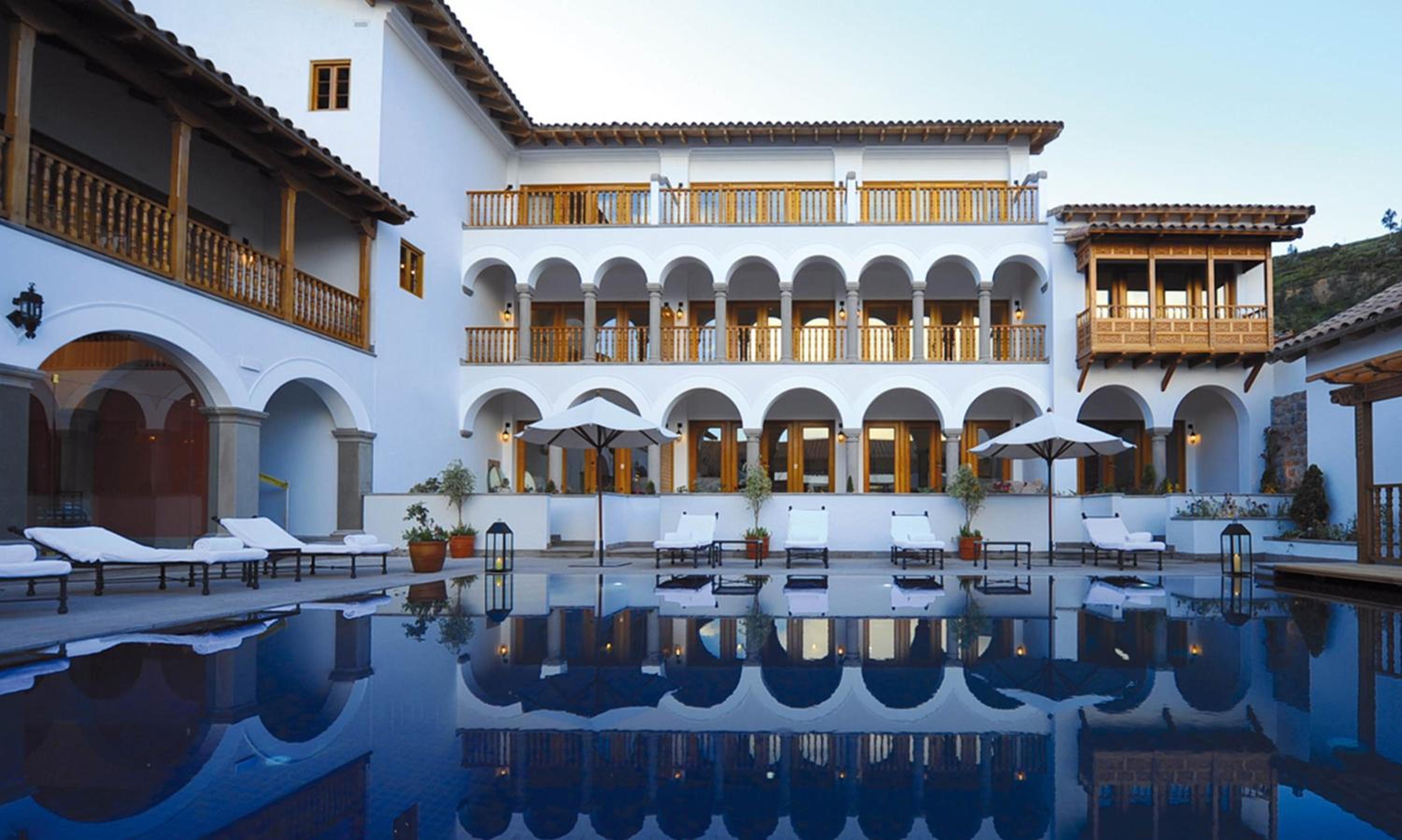
Oxygen-enriched rooms and an outdoor pool at 3,400m
Explore Hotel

Cusco, Peru
Altitude sickness is not a function of fitness. What helps is time, and starting six hundred metres lower in the Sacred Valley.
The places to stay
Beside the cathedral
Oxygen-enriched rooms and an outdoor pool at 3,400m
Explore Hotel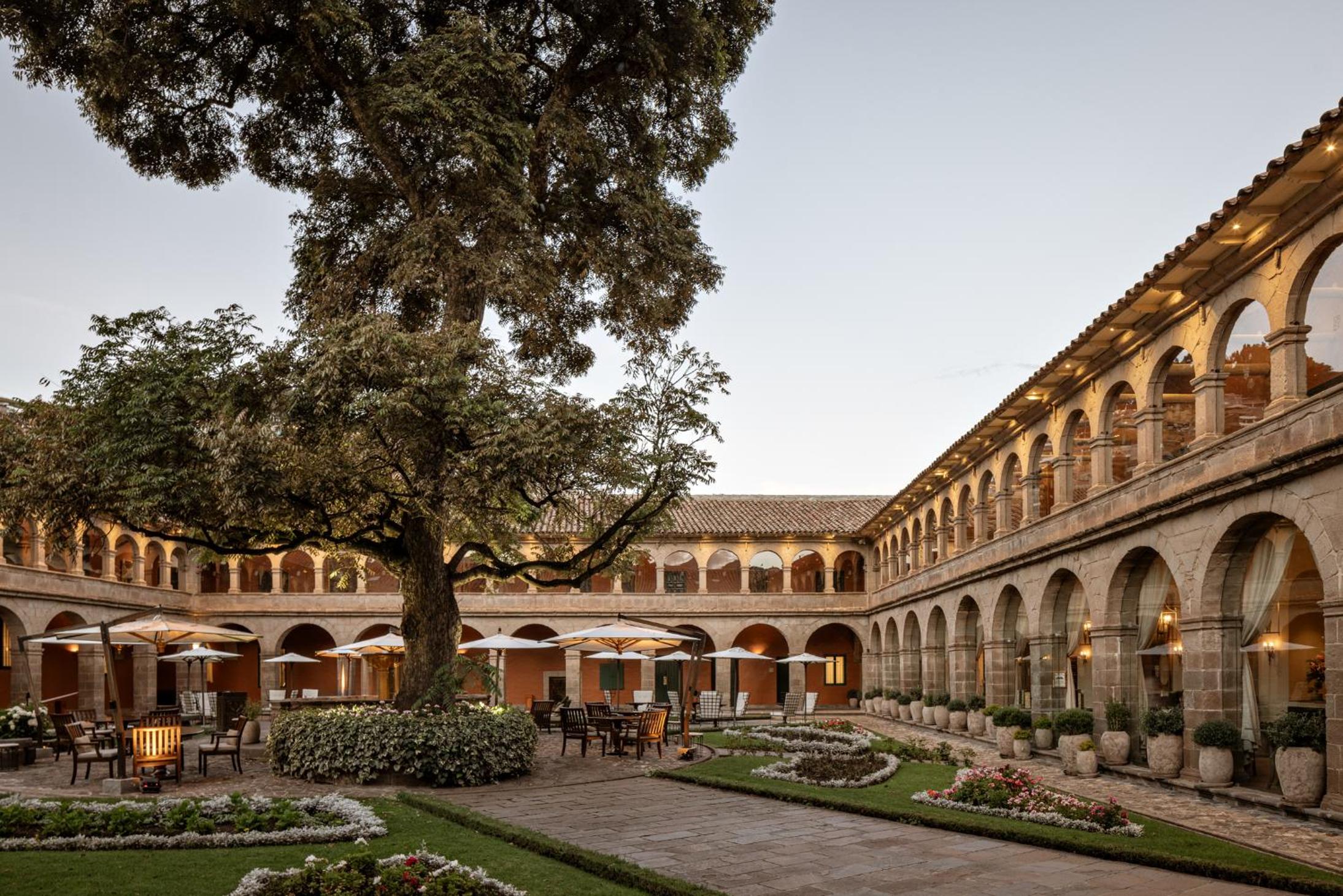
San Blas edge
A 1592 monastery with a cloister and a working chapel
Explore Hotel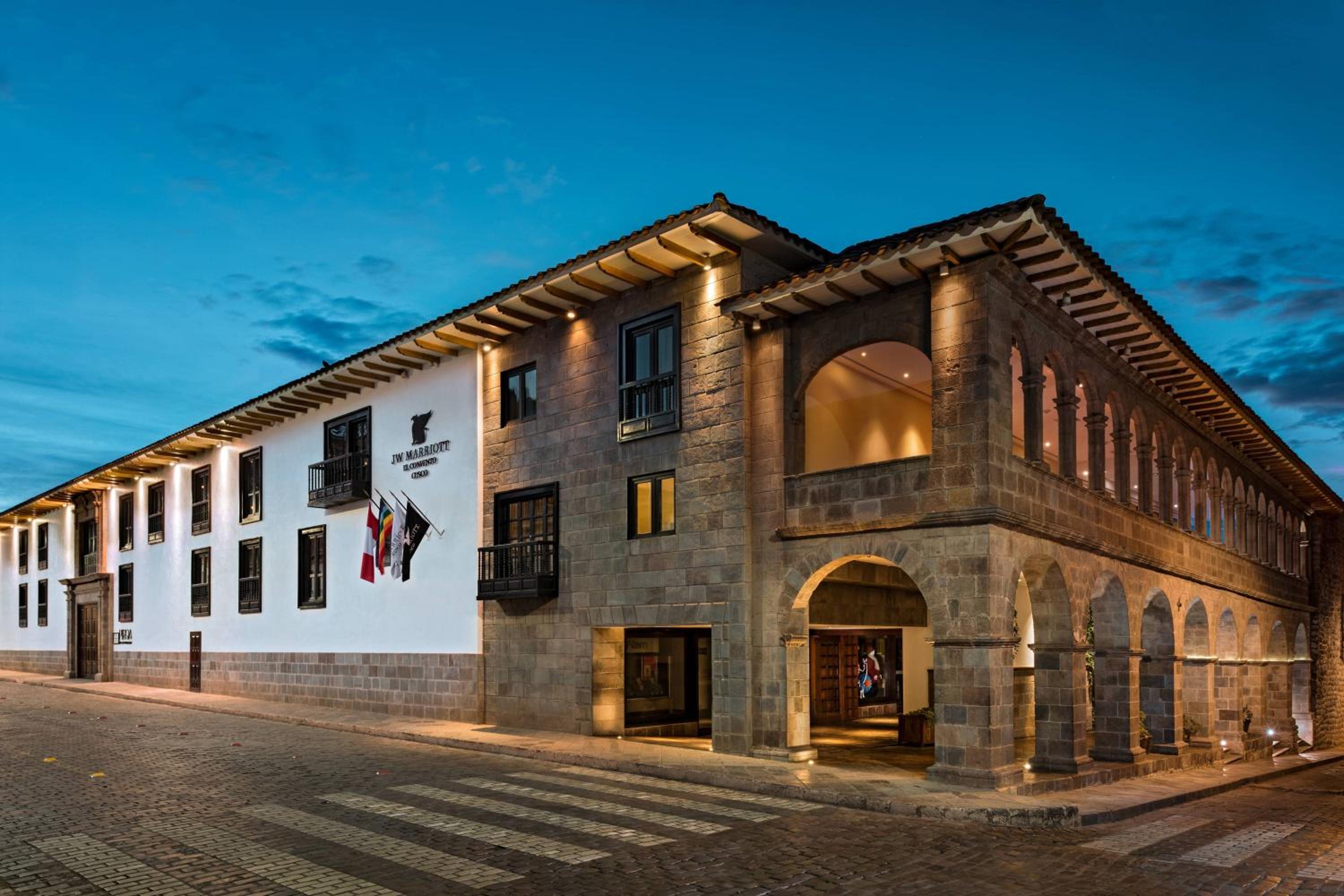
Near the Plaza de Armas
Colonial convent with oxygen enrichment and Inca walls
Explore Hotel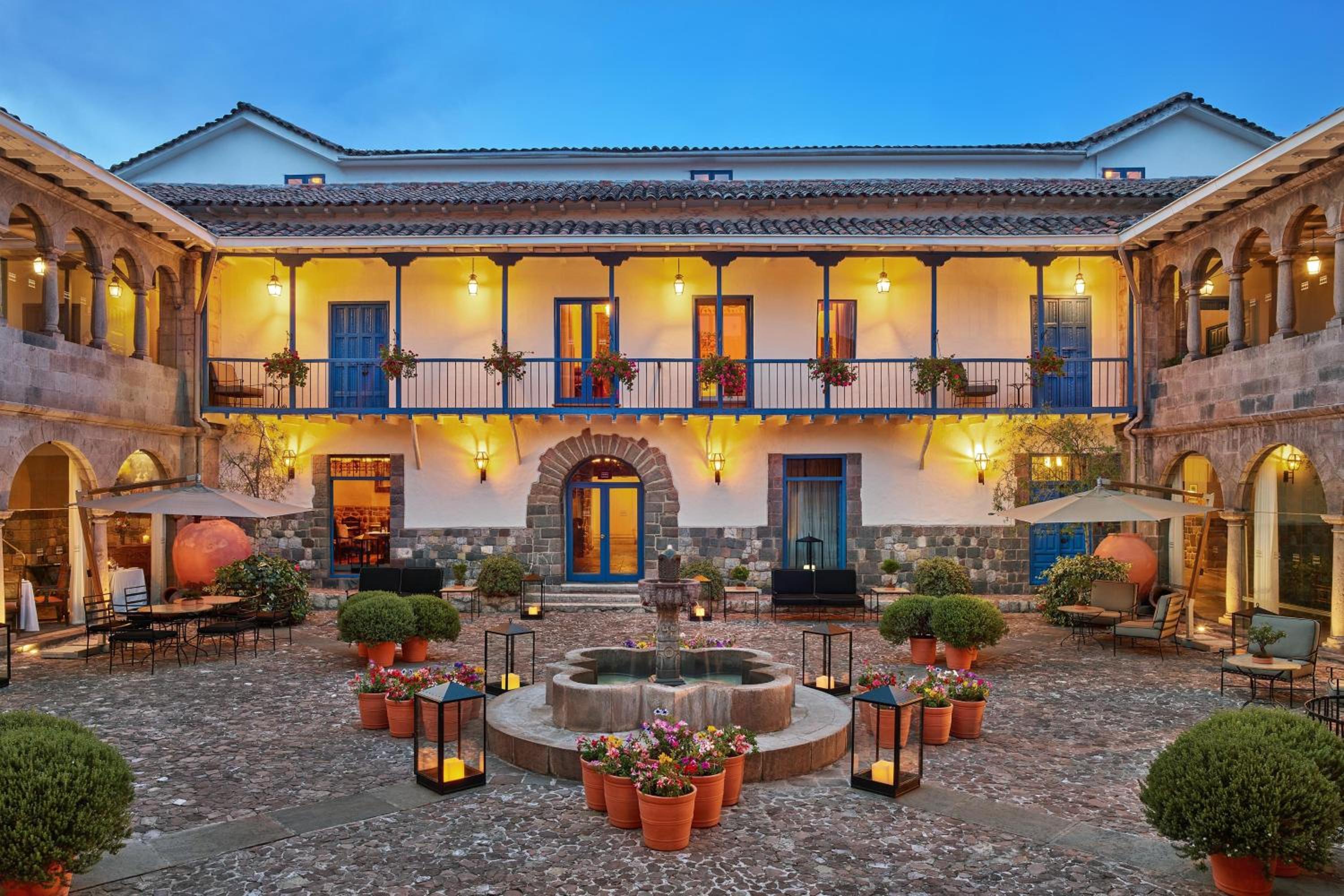
Opposite Qorikancha
Sixteenth-century mansion with a spa on the plaza
Explore Hotel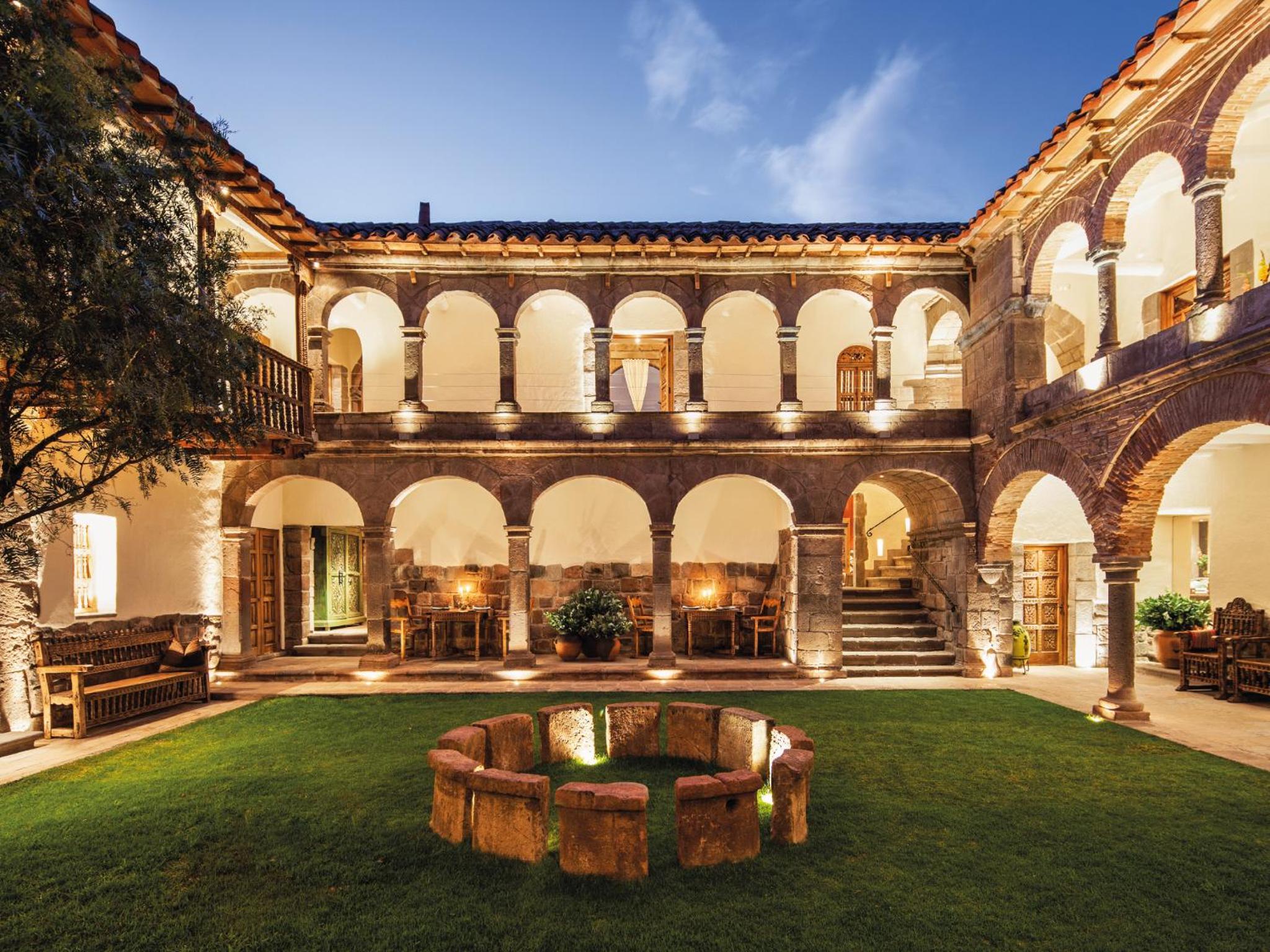
Plaza Nazarenas
Eleven rooms in a colonial manor with painted ceilings
Explore Hotel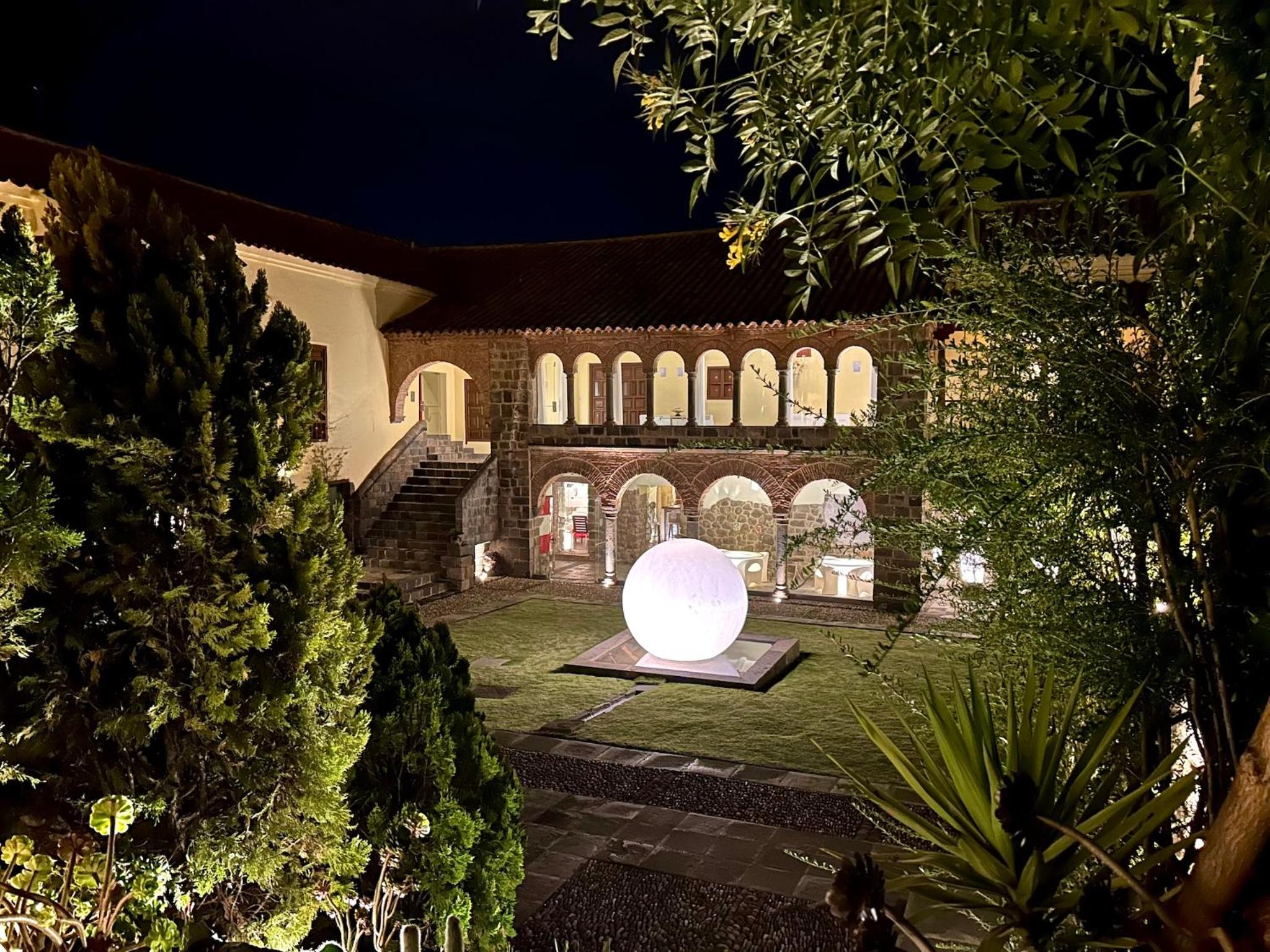
San Blas
Largest rooms in Cusco around a colonial courtyard
Explore Hotel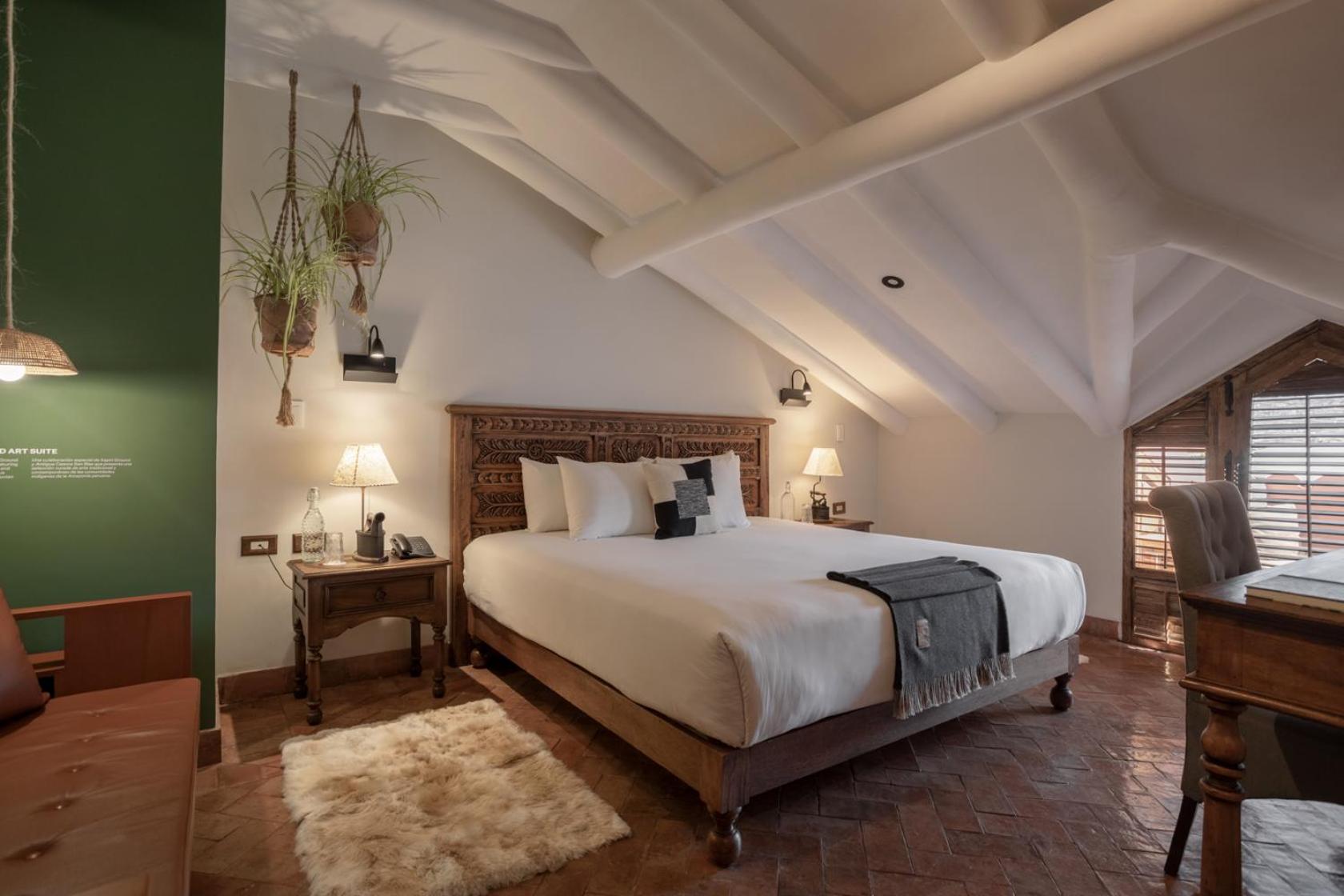
San Blas quarter
Courtyard house in the artisan quarter above the plaza
Explore Hotel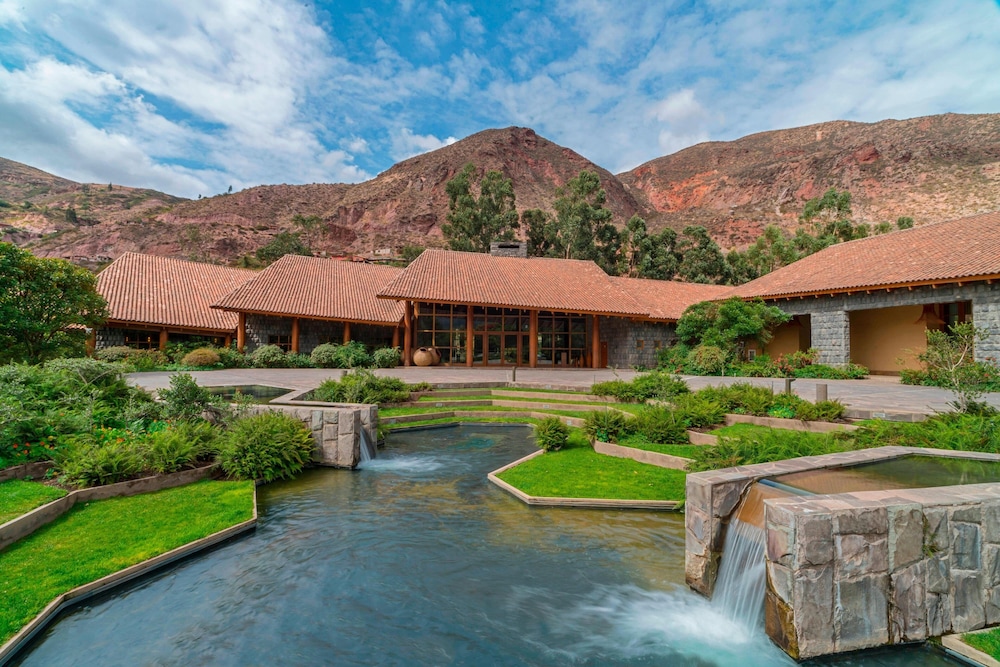
Urubamba, Sacred Valley
Its own station on the Machu Picchu line, 600m lower
Explore Hotel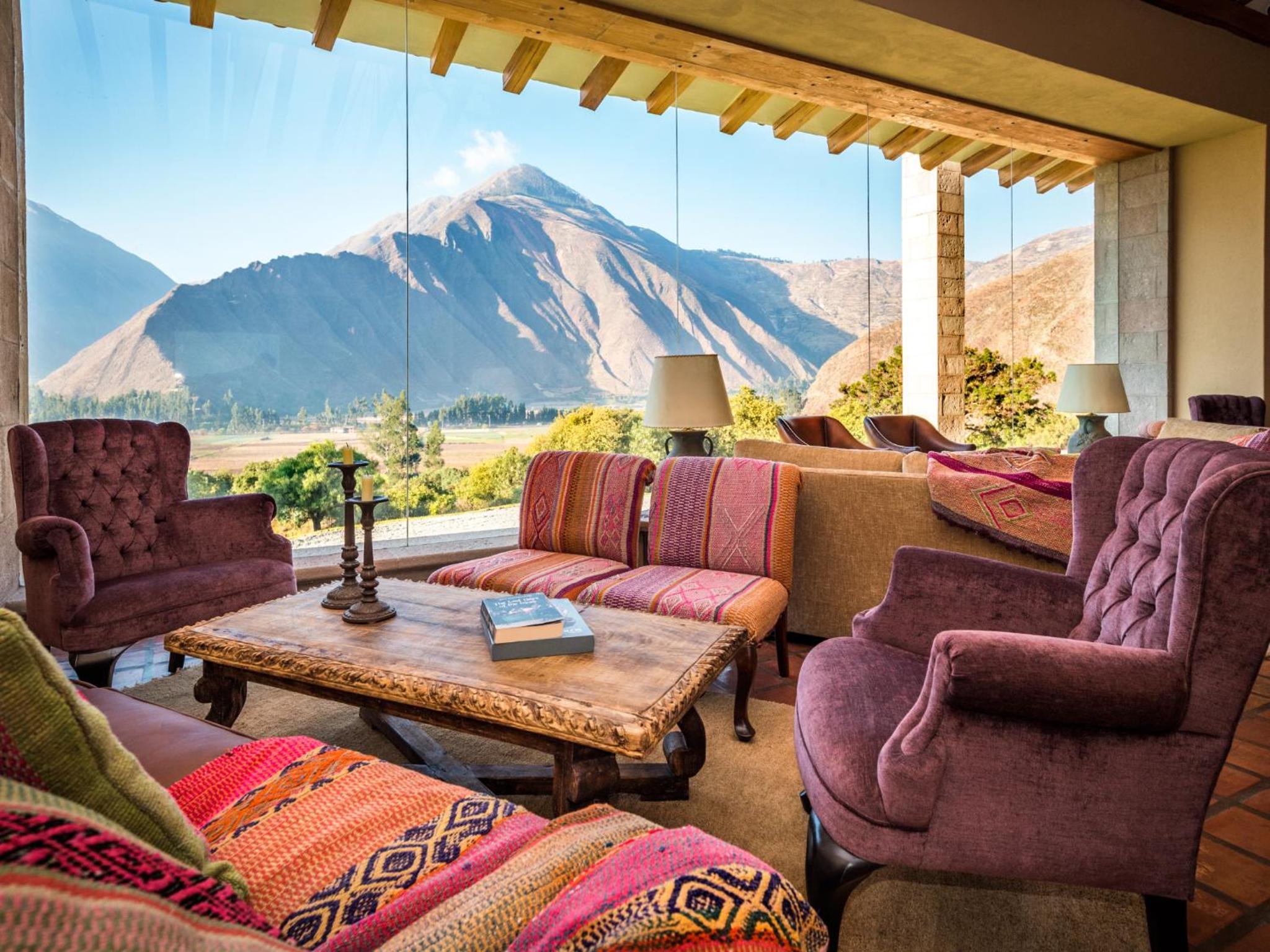
Urubamba, Sacred Valley
Working farm estate with mountain views and adobe casitas
Explore HotelBy Happi · Last updated September 2026
A little local perspective
$$ to $$$$ — roughly $200-900 a night, peaking May to September
Cusco sits at 3,400 metres. That is higher than any point in the continental United States outside a handful of peaks, higher than most European ski resorts, and high enough that a meaningful proportion of arriving visitors feel it within a few hours: headache, breathlessness on stairs, poor sleep, and occasionally nausea.
Almost everyone flies in from Lima, which is at sea level. The ascent takes an hour and twenty minutes. There is no gradual adjustment.
Altitude sickness is not a function of fitness. Young, fit travellers get it as often as anyone. What helps is time, hydration, avoiding alcohol on the first evening, eating lightly and not attempting anything strenuous on day one.
What also helps, and is unusual to find in hotels anywhere, is supplementary oxygen. Several of the better Cusco hotels enrich the oxygen in their rooms, raising the effective altitude by several hundred metres while you sleep. Others have oxygen available on request. It makes a genuine difference to the first two nights and it is worth choosing for.
The other move, and the one most experienced visitors make, is to go down first. The Sacred Valley, forty-five minutes away at Urubamba, sits around 2,800 metres — six hundred metres lower than Cusco. Spending the first two nights there, then coming up to Cusco afterwards, is a far better acclimatisation profile and it puts you closer to the ruins and the Machu Picchu train.
The nine below are grouped accordingly.
In the city, at full altitude, with rooms that soften it.
Belmond Palacio Nazarenas occupies a former convent beside the cathedral with oxygen-enriched rooms, heated floors, an outdoor pool at 3,400 metres and Inca foundations visible in the structure. It is the best hotel in Peru.
Belmond Hotel Monasterio sits in a 1592 monastery around a cloistered courtyard with a three-hundred-year-old cedar in the middle, oxygen-enriched rooms and a chapel still in use. It is the most atmospheric building in the city.
JW Marriott El Convento Cusco occupies a colonial convent near the Plaza de Armas with oxygen enrichment, a courtyard and a museum's worth of religious art on the walls.
Palacio del Inka, a Luxury Collection Hotel sits in a restored sixteenth-century mansion on the plaza with a spa, a courtyard and a very good restaurant.
Still excellent, and worth knowing they do not enrich.
Inkaterra La Casona occupies a colonial manor house on a small plaza with eleven rooms, painted ceilings and the most personal service in the city.
Casa Cartagena Boutique Hotel & Spa sits in a restored mansion with a courtyard, a small spa and rooms that are among the largest in Cusco.
Antigua Casona San Blas occupies a house in the San Blas artisan quarter above the plaza, which is a steep walk up and the part of the city most worth wandering, with a courtyard and low rates.
Six hundred metres lower, forty-five minutes away, and closer to the ruins.
Tambo del Inka, a Luxury Collection Resort & Spa sits on the Urubamba river with a spa fed by thermal water, gardens, and its own station on the Machu Picchu railway line, which means you board the train from the property.
Inkaterra Hacienda Urubamba occupies a working farm estate in the valley with adobe buildings, horses, its own vegetable gardens and views of the mountains. It is the most peaceful place to spend your first two nights in Peru.
The budget hostels around the Plaza de Armas are excluded, and Cusco has a great many of them serving the Inca Trail crowd well. They are not hotels, and at 3,400 metres a first night in a dormitory with no heating is a poor introduction to a country you have flown a long way to see.
Day one: nothing. Walk slowly around the Plaza de Armas, drink coca tea, eat lightly, sleep.
Then the city: Qorikancha, the Inca sun temple with a Spanish convent built on top of it, which explains the whole colonial project in one building. The cathedral. The San Pedro market.
Sacsayhuamán, above the city, has stonework of a precision that remains unexplained and is a steep walk or a short taxi.
The Sacred Valley: Pisac market and ruins, Ollantaytambo, Moray and the Maras salt pans. Two days rather than one.
Machu Picchu by train from Ollantaytambo or Urubamba, with a timed entry ticket booked well in advance and a circuit chosen at the time of booking. The rules change periodically; check the current system rather than assuming.
Cusco's airport takes flights from Lima and a few regional cities. Most flights are early in the morning because of afternoon wind.
May to September is the dry season and the best window: clear days, cold nights, and the busiest months. November to March is the wet season, with afternoon rain and much lower prices. The Inca Trail closes in February.
Bring layers. It can be 20 degrees in the sun and near freezing after dark in the same day.
Take medical advice about altitude before travelling, particularly if you have any cardiac or respiratory condition. Coca tea is traditional and mild; prescription options exist and should be discussed with a doctor.
Prices shown are sample rates from upcoming dates — not quotes for specific dates. Open a hotel and choose your own dates and guests to see the exact price.
If you can, yes. Six hundred metres lower makes a real difference and the valley is worth the time regardless.
It raises the effective altitude of the room while you sleep, which helps the first two nights considerably. It is not a substitute for taking it slowly.
Two at minimum after arriving, three if you are hiking. Do not fly in and go the next morning.
Five or six across Cusco and the valley, plus the Machu Picchu day.