Sengokuhara
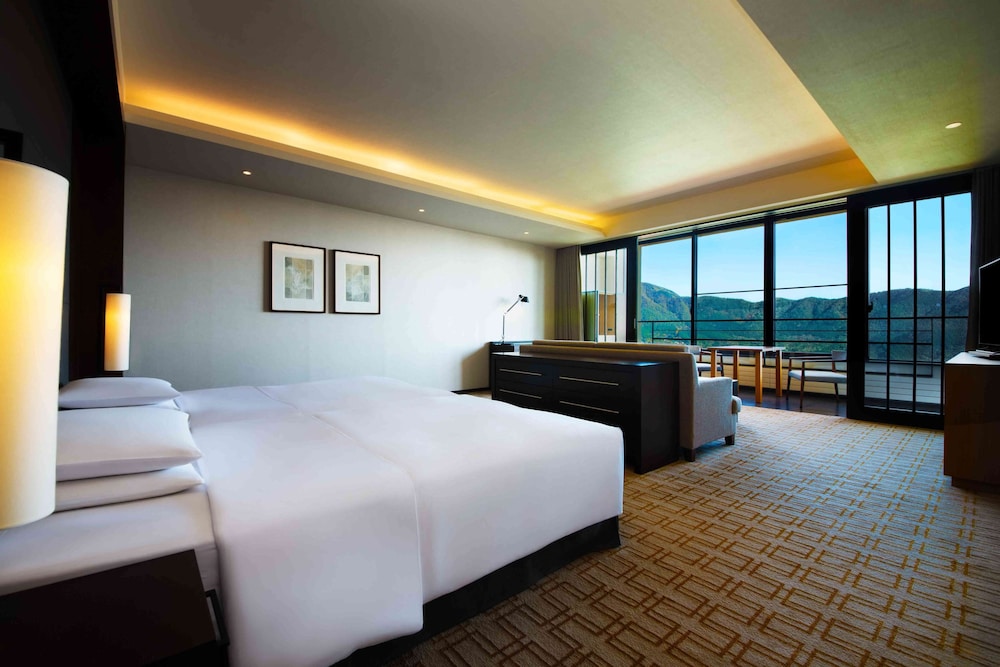
Hyatt Regency Hakone Resort and Spa
Western format with several bath types and a spa
Explore Hotel

Hakone and Mount Fuji, Japan
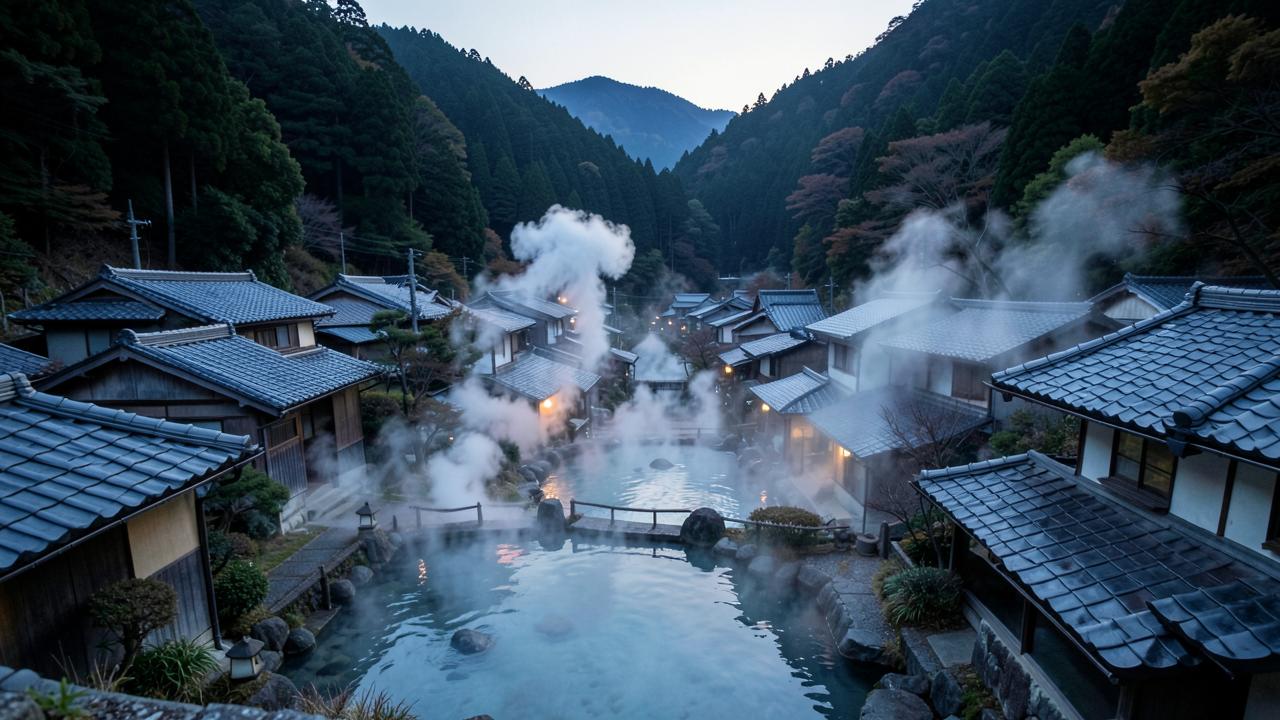
Seventeen hot spring areas and twenty water compositions in one volcanic caldera. The bathing is the point, not the scenery.
The places to stay
Sengokuhara
Western format with several bath types and a spa
Explore HotelBy Happi · Last updated September 2026
A little local perspective
$$$ to $$$$ — roughly 60,000-200,000 yen a night, usually with dinner and breakfast
Hakone sits in the caldera of an active volcano about 90 minutes from Tokyo, and the geothermal water has been used for bathing since the ninth century. There are seventeen recognised hot spring areas in the town and around twenty different water compositions between them, which is why the Japanese have come here for centuries and why the ryokan are the point rather than the scenery.
Communal bathing is the tradition and it involves a specific etiquette: wash thoroughly at the taps before entering, no swimwear, no towel in the water, tie long hair up. It is straightforward once explained and it puts a certain number of visitors off entirely.
Three reasons, and the third is the one nobody writes down.
Timing. A private bath on your own balcony or terrace can be used at three in the morning, in snow, after a long day, without checking whether the men's and women's baths have swapped over.
Company. Communal baths are single-sex, which means couples and families bathe separately. A private one does not.
Tattoos. A great many Japanese onsen, including several in Hakone, decline entry to guests with visible tattoos, because of the historic association with organised crime. Policies are relaxing and vary by property, and cover-up patches are sometimes accepted. But if you have tattoos and want to bathe without a conversation at the desk, a room with its own onsen removes the question entirely.
The ryokan tradition also includes kaiseki, a multi-course seasonal dinner served in the room or a private dining room, and it is usually included in the rate. Compare Hakone rates on a half-board basis rather than a room-only one.
The nine below are grouped by hot spring area.
Halfway up the mountain, with the funicular and the best of the classic ryokan.
Gora Kadan occupies the former summer retreat of a branch of the imperial family, with a garden, thirty-nine rooms and a level of ryokan service that is the benchmark in Japan. Many rooms have their own open-air bath.
Hakone Ginyu sits in Gora with all rooms holding a private open-air onsen on the balcony, cantilevered over the valley. It is the purest expression of the form.
Gora Hanaougi occupies a hillside site with private baths, a garden and a more contemporary interior than the traditional ryokan.
Hakone Kowakien Ten-yu sits above Gora with a large communal bath, a view toward Mount Fuji on clear days and rooms with private tubs.
Lower down the mountain, on the old road.
Fujiya Hotel is the 1878 hotel that introduced Western-style accommodation to Japan, with a wooden main building, a Meiji-era dining room and thermal water piped to the baths. It is a historic building rather than a ryokan and it is worth a night for that alone.
Yama no Chaya occupies a riverside position at Tonosawa in a wooden building with baths beside the water and a kaiseki kitchen with a long reputation.
The plateau on the far side, with the grass fields and the art museums.
KAI Sengokuhara sits at Sengokuhara with a modern take on the ryokan, private open-air baths and a design that references local woodcraft.
Hyatt Regency Hakone Resort and Spa occupies a large site with several bath types, a spa and a Western-style hotel format for guests who would rather not do the full ryokan.
The caldera lake, with the boats and the shrine gate in the water.
Hakone Suishoen sits near the lake with a garden, private baths and a quieter position away from the main road.
The minshuku and small family ryokan across Hakone are excluded. They are the traditional and inexpensive way to do this and many are excellent. They are guest houses rather than hotels at the standard applied here.
Do the Hakone loop, which is a genuine piece of tourist engineering: train, then funicular, then ropeway over the sulphur vents at Owakudani, then a boat across Lake Ashi, then a bus back. One ticket covers it and it takes most of a day.
See Mount Fuji if it lets you. It is visible from parts of Hakone on clear days, most reliably in winter mornings, and it is hidden more often than not in summer.
Go to the Hakone Open-Air Museum, which has a Picasso pavilion and sculpture across a hillside, and the Pola Museum for the Impressionists.
Eat the black eggs at Owakudani, boiled in the sulphur springs until the shells turn black. They taste like ordinary eggs and eating one is said to add seven years to your life.
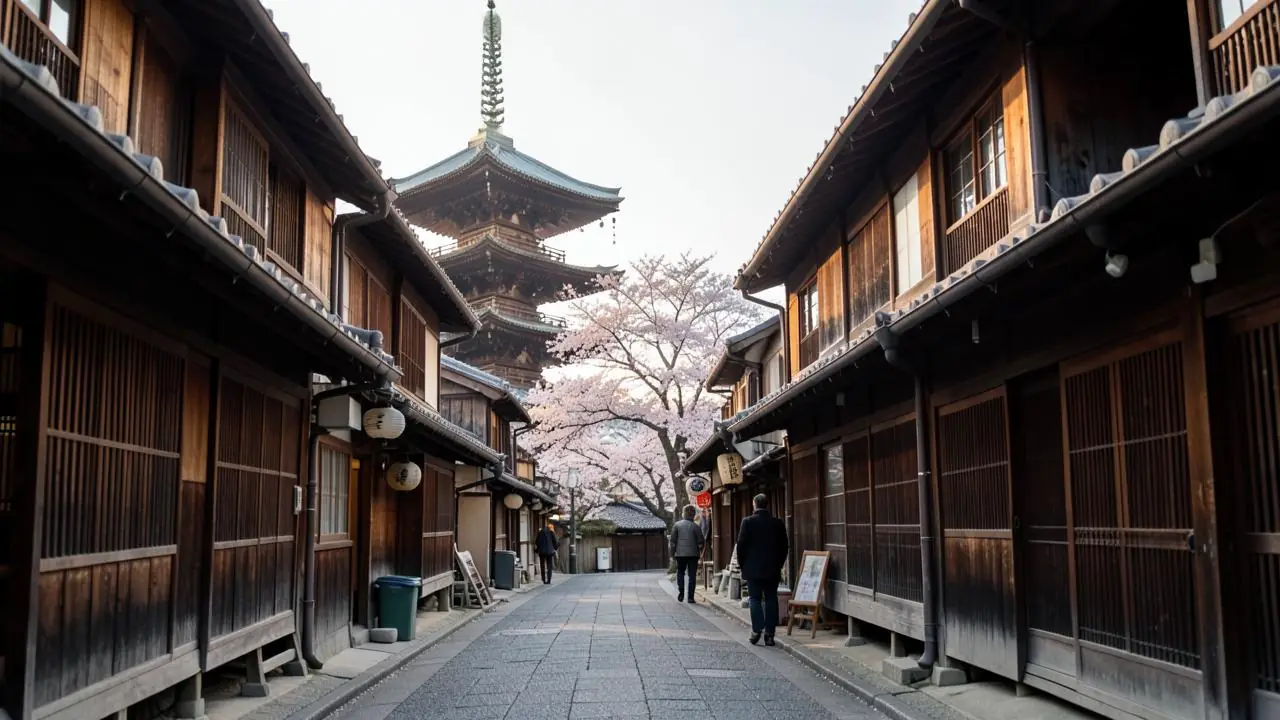
Walk part of the old Tokaido road with its cedar avenue, which is the route that made Hakone a stop between Edo and Kyoto.
The Romancecar from Shinjuku takes about 85 minutes to Hakone-Yumoto. The Hakone Freepass covers the loop and most of the transport.
Autumn for the maples and winter for the clearest Fuji views. Summer is humid and the mountain is often hidden. Golden Week in early May and the New Year period fill everything.
Book the ryokan well ahead and confirm whether dinner and breakfast are included, since most rates assume both.
Prices shown are sample rates from upcoming dates — not quotes for specific dates. Open a hotel and choose your own dates and guests to see the exact price.
At many traditional onsen, yes, though policies vary and are relaxing. A room with a private bath avoids the question.
Usually, and it is a substantial multi-course meal. Compare rates on that basis.
On clear days from certain viewpoints, most reliably on winter mornings. It is hidden more often than people expect.
Two. One is enough for the loop but not for the bathing, which is the point.
The next chapter