


A little local perspective
Worth knowing.
Worth going.
- Destination
- Malta and Gozo
- The selection
- 7 hotels
- Your kind of trip
- history · architecture · couples · city break
$$ to $$$$ — roughly 200-700 euros a night, peaking July and August
The Grand Harbour at Valletta is a deep natural inlet with a peninsula down the middle and fortified cities on both sides. The Knights of St John took Malta in 1530, survived the Ottoman siege of 1565, and then spent two centuries building the most heavily fortified harbour in the Mediterranean: bastions, cavaliers, curtain walls and gun positions cut from the limestone the island is made of.
Valletta itself was founded in 1566 as a fortress city and laid out on a grid — one of the earliest planned cities in Europe — on the peninsula between the Grand Harbour and Marsamxett Harbour. The whole city is a UNESCO site and it is about a kilometre long.
Where to be
Valletta is the city: baroque churches, the co-cathedral with the Caravaggio, the Upper Barrakka Gardens looking down over the harbour, and a food scene that has improved sharply. It is small, steep and it empties in the evening less than it used to.
The Three Cities — Vittoriosa, Senglea and Cospicua — sit on the far side of the Grand Harbour, older than Valletta, less visited, and connected by a two-minute ferry. The view back at Valletta from there is the best in Malta.
Sliema and St Julian's, across Marsamxett, are the modern hotel and nightlife strip. They have the rooms and the restaurants and none of the atmosphere.
Mdina, inland, is the silent walled former capital on a hilltop, where about 250 people still live.
Gozo, a 25-minute ferry, is quieter, greener and more rural, with the best swimming.
Malta has no real sand to speak of on the main island — the coast is rock and the swimming is off ladders and platforms, which suits some people and disappoints others. Gozo and Comino have the exceptions.
The seven below are grouped by that.
Valletta
Inside the fortress city.
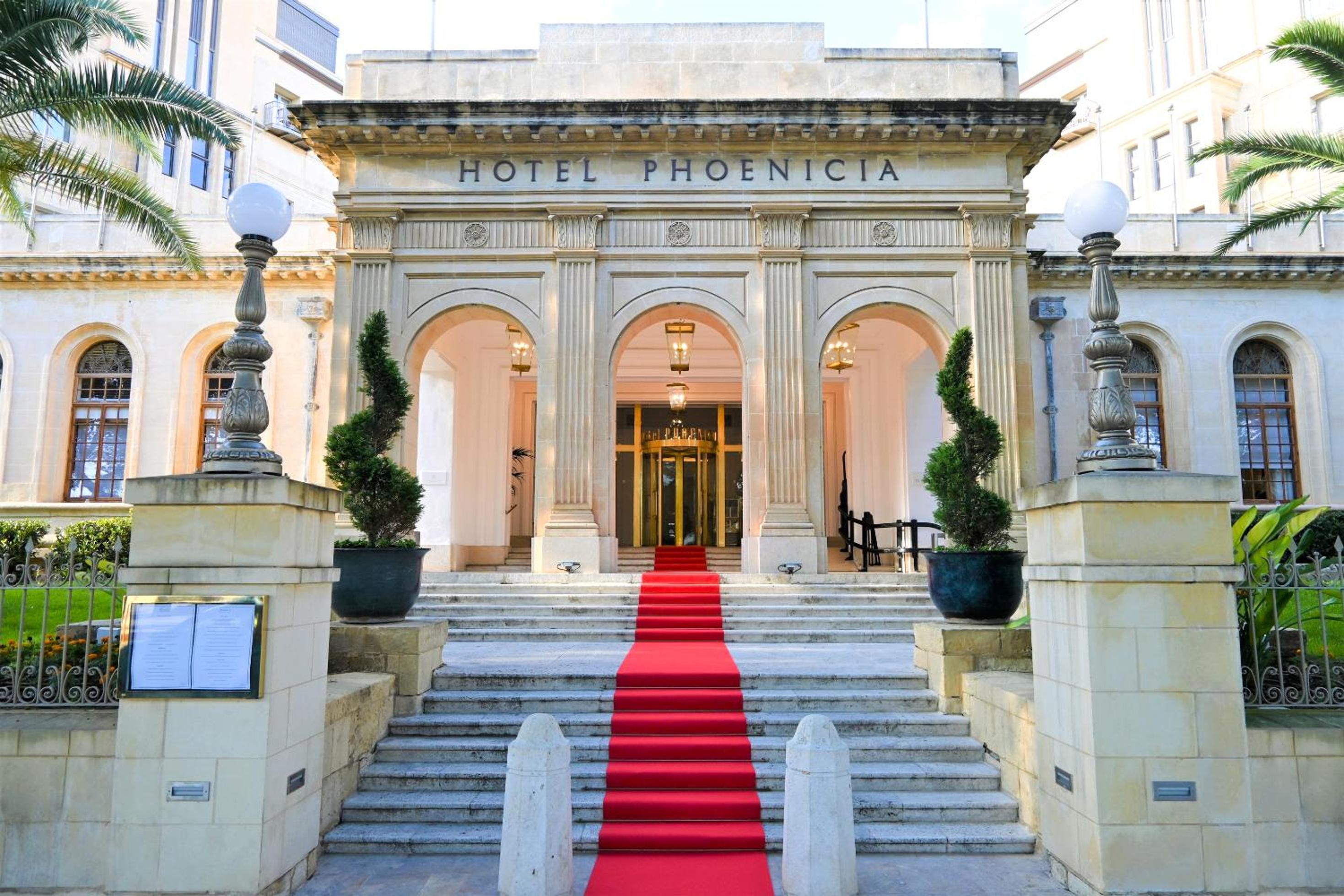
The Phoenicia Malta occupies a 1930s building just outside the city gate with seven acres of gardens inside the bastion walls, a pool and the most established service in Malta. It is the grand hotel of the island.
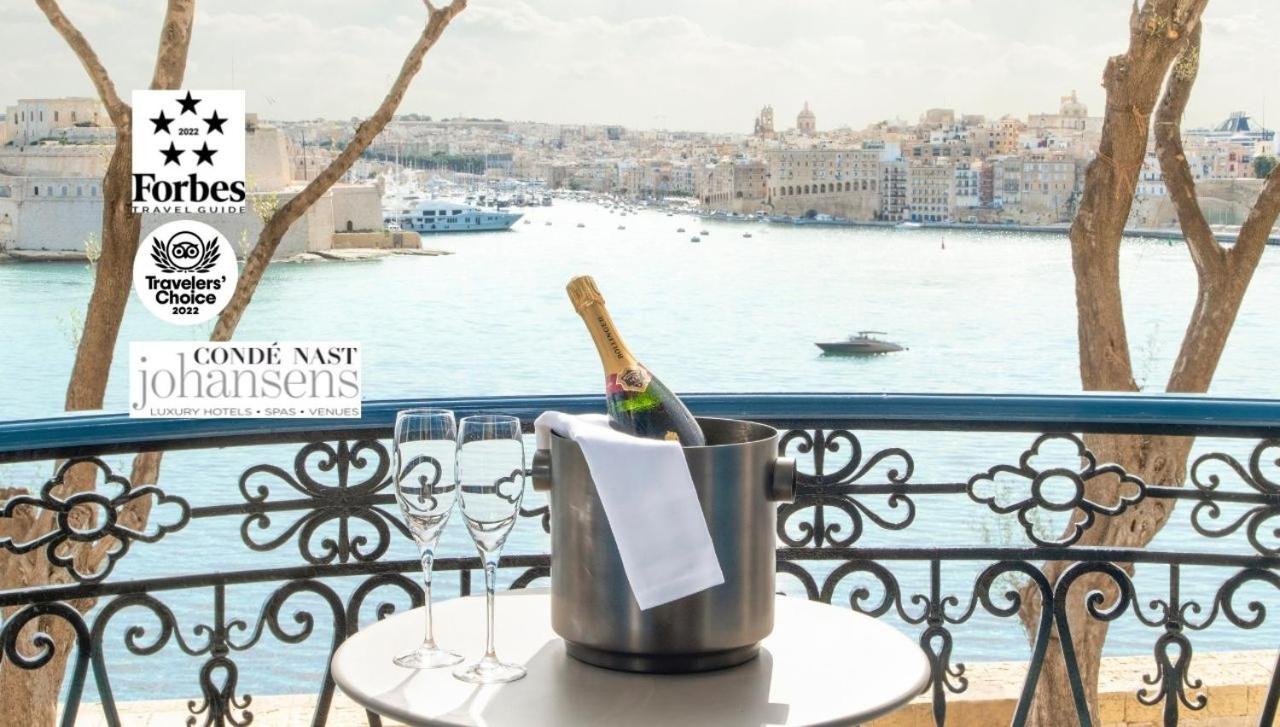
Iniala Harbour House sits on the Grand Harbour side in a restored palazzo with a rooftop, a spa and rooms looking across at the Three Cities. It is the most striking small hotel in Valletta.
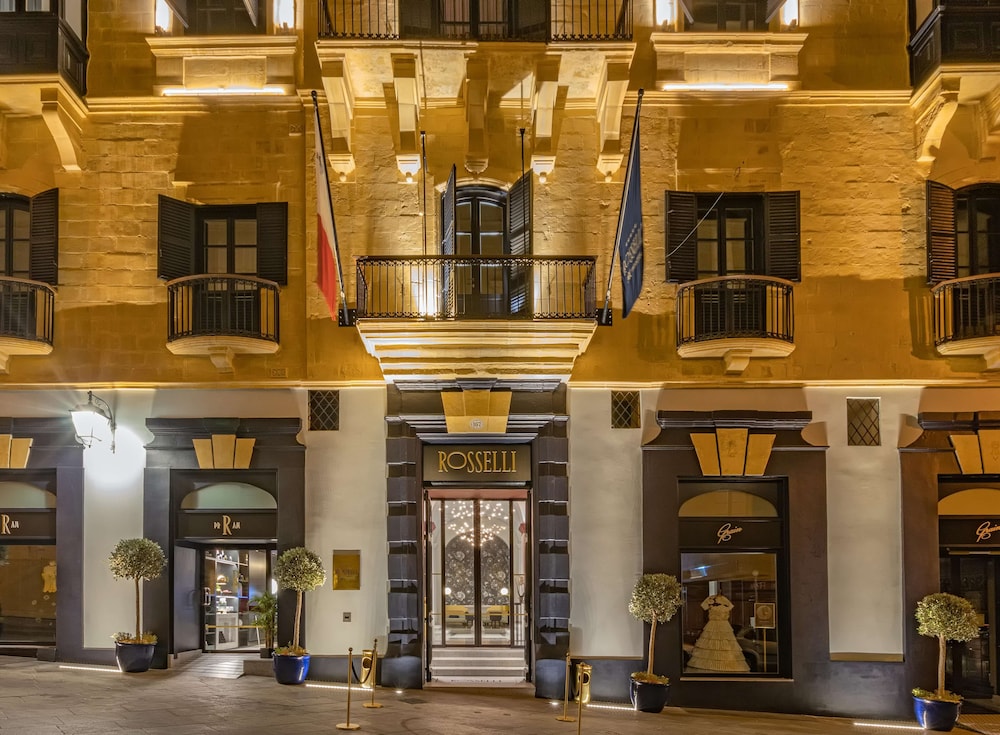
Rosselli AX Privilege occupies a sixteenth-century palazzo in the city grid with a rooftop pool, a spa and a courtyard.
Casa Ellul sits in a converted townhouse in the centre with a handful of rooms, a rooftop and the shortest walk to the co-cathedral.
Mdina
The silent walled city inland.
The Xara Palace occupies a seventeenth-century palace on the Mdina bastions with seventeen rooms and a rooftop restaurant looking across the whole island to the sea. It is the most atmospheric place to sleep in Malta.
St Julian's
The modern strip, with the facilities.
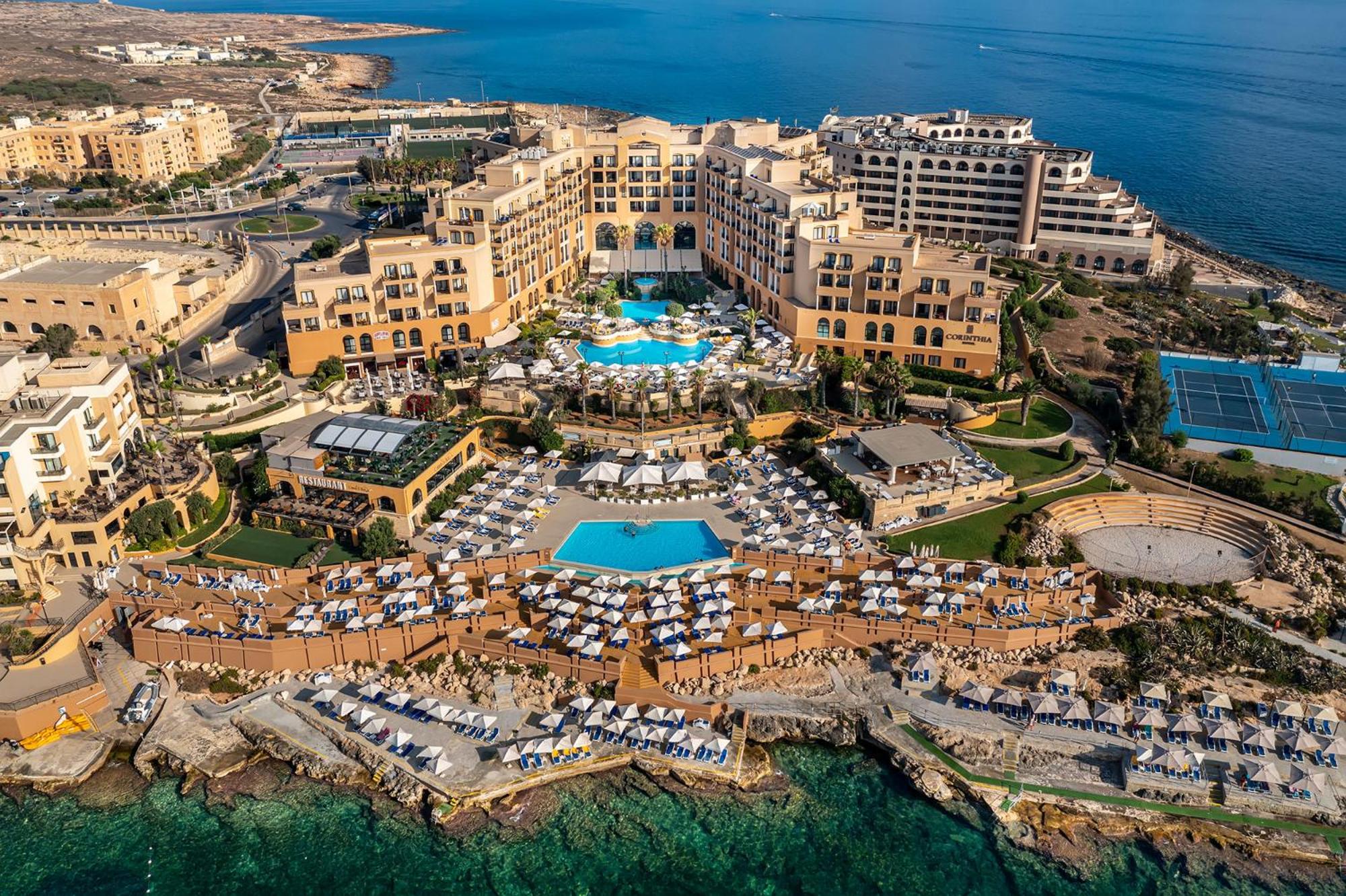
Corinthia St George's Bay occupies a large site on St George's Bay with several pools, a private beach area, a big spa and full family facilities.
Gozo
The second island, 25 minutes by ferry.
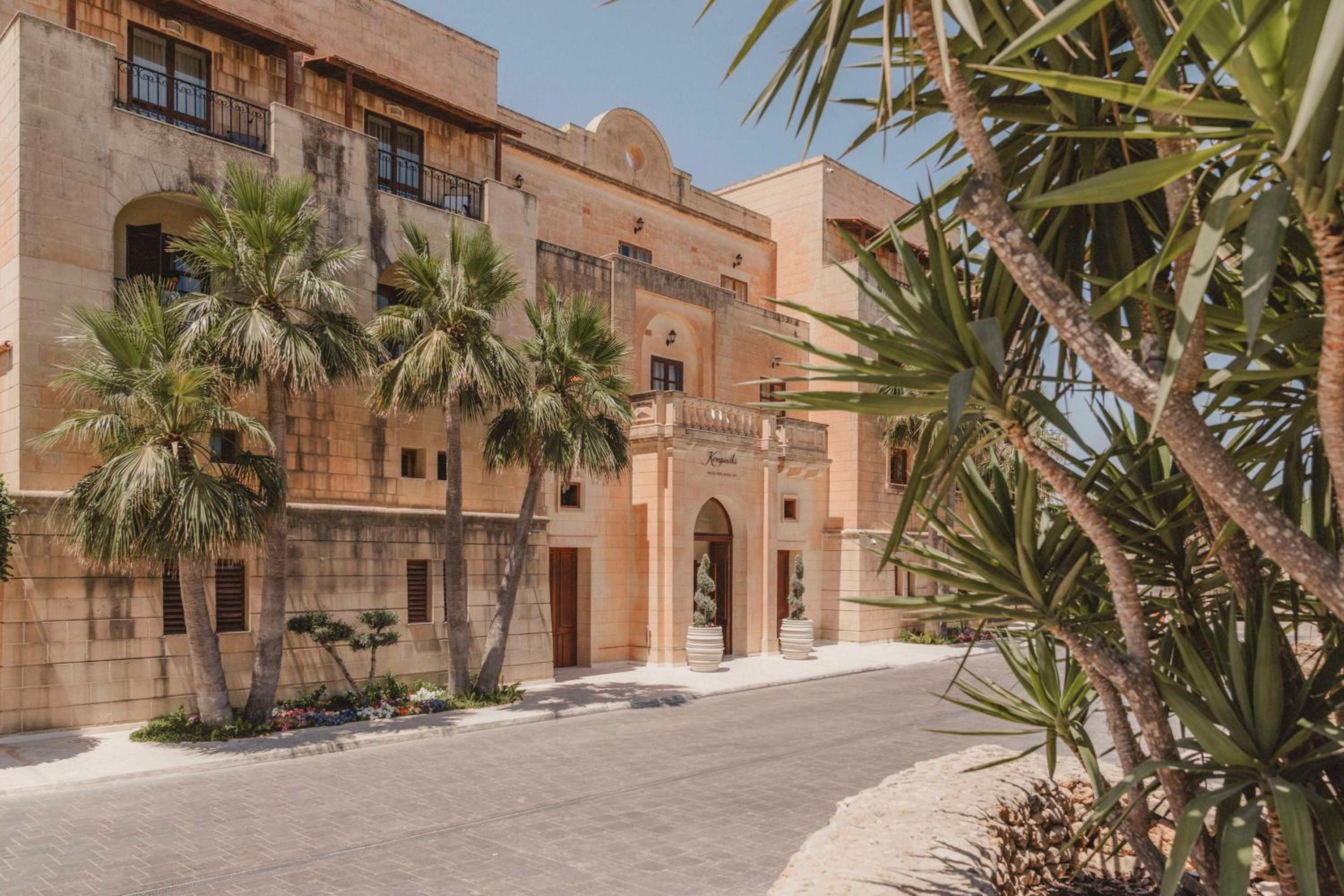
Kempinski Hotel San Lawrenz sits at San Lawrenz in a low property with a spa, several pools and a quiet rural setting near the western cliffs.
What we have left off
The apartment blocks and aparthotels along the Sliema and St Paul's Bay seafronts are excluded, and they are a very large share of Malta's accommodation, particularly for the British and Italian summer market. They are apartments rather than hotels.
What to do
Walk the fortifications. The Upper Barrakka Gardens, the saluting battery that fires at noon, and the walk around Valletta's bastions take a morning and explain the whole island.
See the Caravaggio. St John's Co-Cathedral holds The Beheading of Saint John the Baptist, the largest canvas he painted and the only one he signed, in the oratory it was made for.
Take the ferry to the Three Cities, which costs almost nothing and gives you the best view back at Valletta.
Swim off the rocks. St Peter's Pool, Ghar Lapsi and the Blue Lagoon at Comino, which is spectacular and extremely busy in season.
Go to Gozo for a night: the Ggantija temples, which predate the pyramids, the salt pans, and the citadel at Victoria.
Practical notes
Malta's airport is fifteen minutes from Valletta with heavy European traffic. The island is small and buses cover it, though slowly; a car helps outside the harbour area.
April, May, September and October are ideal. July and August are very hot and busy. Winter is mild and quiet, with the sea too cool for most people from December to April.
Valletta is steep, with long flights of steps built for horses. It is not an easy city for anyone with mobility difficulties.
Explore 4 & 5 Star Malta and Gozo Hotels
Prices shown are sample rates from upcoming dates — not quotes for specific dates. Open a hotel and choose your own dates and guests to see the exact price.
Questions people actually ask
Are there beaches?
Very few on the main island. Malta swims off rock ledges and ladders. Gozo and Comino have the sand.
Valletta or Sliema?
Valletta for the city and the history, Sliema for rooms and restaurants with a ferry across. Valletta is the better stay.
Is Gozo worth a night?
Yes. It is quieter, greener and has the better swimming, and it is 25 minutes by ferry.
How many nights?
Four. Three around the harbour and one on Gozo.

